
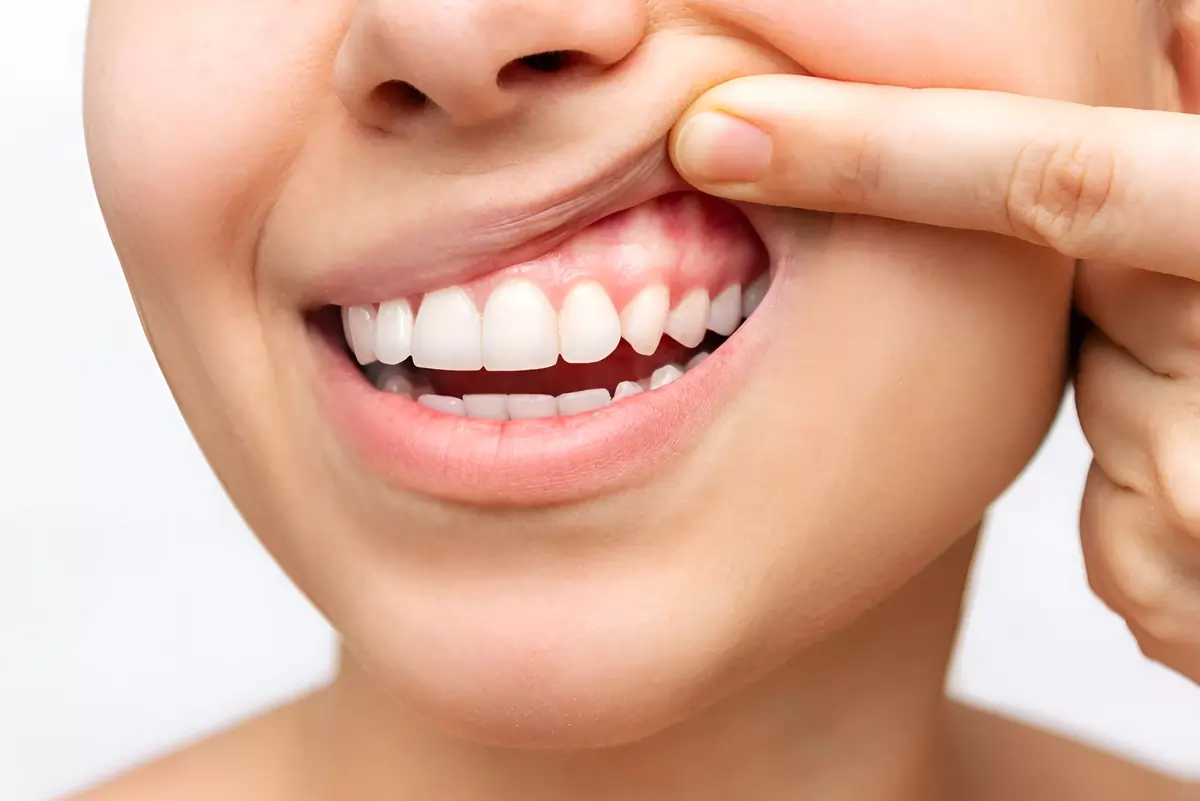
Gum disease is one of the most widespread oral conditions, affecting the gums and the structures that support the teeth. Although gingivitis and periodontitis are often confused, telling them apart is essential: gingivitis is reversible, whereas periodontitis can lead to tooth loss if left untreated. In this article we look at the distinctive signs, the causes and effective prevention strategies, based on personalized professional advice.
Key differences between gingivitis and periodontitis
Gingivitis is the first stage of gum disease and is characterized by superficial inflammation of the gums. It is caused by the buildup of bacterial plaque and can be reversed with proper care. Periodontitis, on the other hand, involves a deeper infection that affects the bone and the ligaments holding the teeth, with irreversible consequences if it is not treated promptly.
- Gingivitis: inflammation limited to the gums, with no bone involvement.
- Periodontitis: progressive destruction of the supporting tissues, with possible systemic complications such as cardiovascular risks.
Early recognition is essential to stop the disease from progressing.
Warning signs of gingivitis
Gingivitis often shows itself subtly, but ignoring the symptoms can make things worse. Look out for these signs:
- Red gums that are swollen or tender to the touch.
- Slight bleeding when brushing or flossing.
- Bad breath that persists even with daily oral hygiene.
- Minor discomfort when chewing hard foods.
If you notice these signs, a professional assessment can confirm the diagnosis and help prevent complications.
Warning signs of periodontitis
Periodontitis progresses silently, but the signs become obvious in later stages:

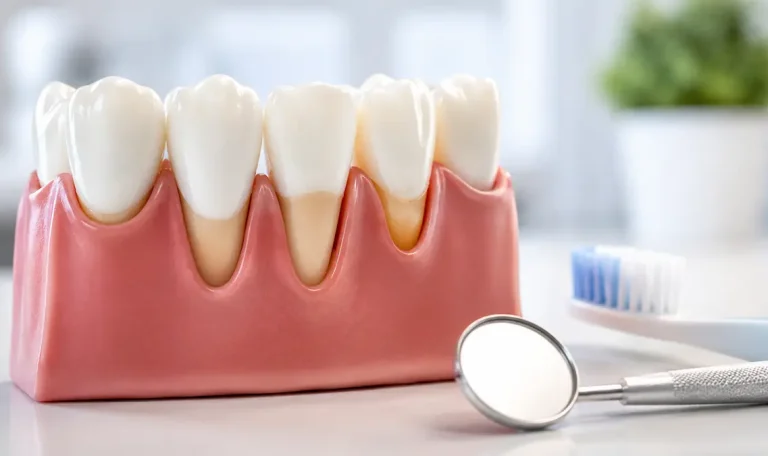
- Gum recession, which exposes the roots of the teeth and increases sensitivity.
- Periodontal pockets, where bacteria build up deep below the gumline.
- Loose teeth, severe pain or abscesses.
- Loss of alveolar bone, which can be detected on imaging.
These symptoms mean that prompt treatment is needed to save the affected teeth.
Common causes and risk factors
Both conditions are triggered by the bacteria in plaque, but external factors make them worse:
- Poor oral hygiene, such as brushing incorrectly or too rarely.
- Harmful habits such as smoking or eating too much sugar.
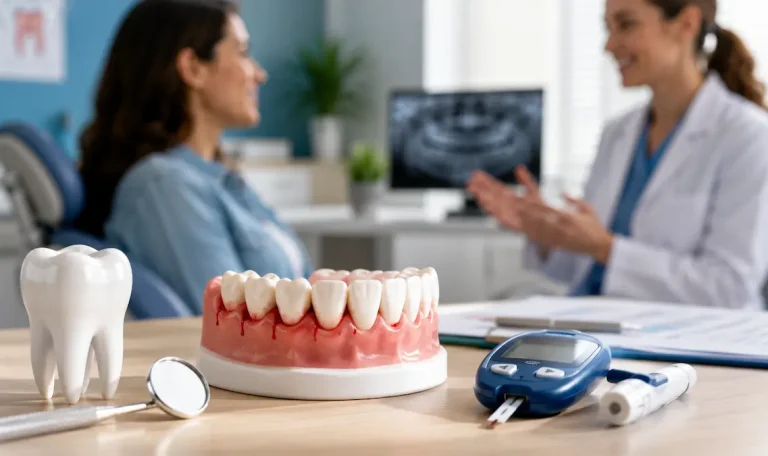
- Systemic conditions: diabetes, chronic stress or hormonal imbalances.
- Genetic factors that predispose you to gum sensitivity.
Understanding the causes helps you adopt preventive habits tailored to you.
Prevention and daily care tips
Prevention works better than treatment. Here are practical steps to protect your gums:
- Brush your teeth twice a day with a soft toothbrush and fluoride toothpaste, using circular movements.
- Use dental floss or a water flosser every day to remove debris from between your teeth.
- Eat a balanced diet rich in vitamins A, C and D, which support healthy gum tissue.
- Avoid smoking and limit sugary or acidic drinks.
- Book regular dental checkups, preferably every 6 months, for professional scaling.
Book a consultation now
At Dental CATTED we offer specialized periodontology services, using advanced technology for diagnosis and minimally invasive treatment.
Don’t ignore the early signs – a consultation can help prevent major problems.
Call us at +40 733 22 88 28 or fill out the contact form for a personalized assessment.