

Choosing an implant-supported restoration is not only about having implants placed, but above all about how they are restored. Many patients focus on the surgery, yet the final result – comfort, appearance and function – depends to a large extent on the prosthetic work.
In practice, a well-made implant-supported restoration makes the difference between treatment that stays stable in the long term and one that causes discomfort or complications. Understanding the common mistakes can help you make the right decision from the outset.
Why choosing the right restoration matters
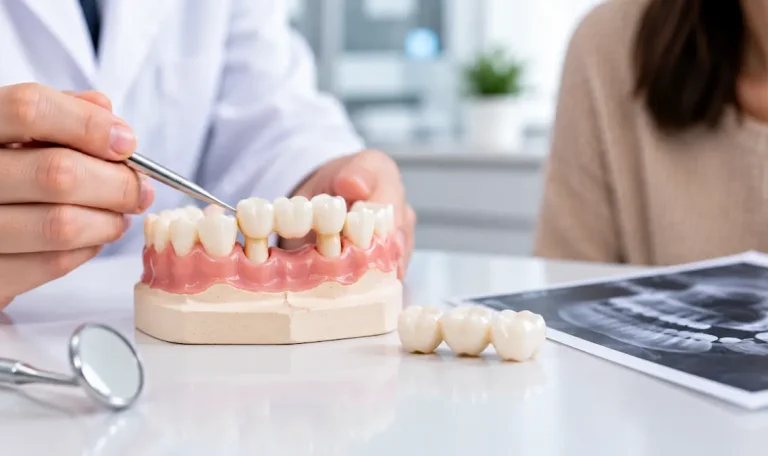
The prosthetic restoration is the visible, functional part of the treatment. Even if the implants are placed correctly, an unsuitable restoration can lead to:
- discomfort when chewing;
- premature wear;
- aesthetic problems;
- overloading of the implants.
A properly made implant-supported restoration must follow a few essential principles:
- a precise fit on the implants;
- a balanced distribution of forces;
- a natural-looking aesthetic result;
- the possibility of effective cleaning.
All of these aspects are decided at the planning stage.
Mistake #1: choosing on price alone
Cost is an important factor, but it should not be the only basis for your decision. In a separate article, we explained how much a dental implant costs and what the price includes.
Price differences between restorations depend on:
- the materials used;
- the manufacturing technology;
- the experience of the medical team;
- the complexity of the case.
A cheaper option may seem attractive at first, but in practice it may need frequent adjustments or even replacement. In the long run, this leads to higher costs and extra discomfort.
Mistake #2: ignoring the type and position of the implants
The prosthetic work cannot be separated from the surgical part. The type of implants and their position directly influence the final result.
To better understand how these aspects affect the result, you can read more about dental implants.
Proper planning means an integrated approach, in which the dentist takes into account both the surgery and the final restoration from the very beginning.
Mistake #3: choosing the wrong type of restoration
There is no one-size-fits-all solution for every patient. The choice of restoration depends on several factors:
- the number of missing teeth;
- the available bone volume;
- chewing forces;
- aesthetic expectations.
For a complete picture of the options available, you can read this guide to dental implants.
An unsuitable choice can lead to discomfort or difficulties in use, even if the implants are placed correctly.
Mistake #4: underestimating functional design
The design of a restoration is not only about appearance. The shape of the teeth and the way they meet (the occlusion) play an essential role in:
- chewing;
- the distribution of pressure;
- how long the restoration lasts.
An incorrect design can lead to:
- accelerated wear;
- loosening of components;
- overloading of the implants.
In practice, these problems often arise when the prosthetic planning is not done properly from the start.
Mistake #5: choosing an unsuitable solution for complete tooth loss
For patients who have lost all their teeth, the choice of solution becomes even more important.
Modern systems such as All-on-4 offer a stable and efficient way to restore the mouth.
Even so, no two cases are identical. The choice must be made according to:
- the patient’s anatomy;
- the quality of the bone;
- the goals of treatment.
A proper assessment is essential to avoid long-term compromises.
Mistake #6: neglecting maintenance once the restoration is complete
Even a well-made prosthetic restoration needs regular maintenance.
Inadequate hygiene can lead to:
- gum inflammation;
- peri-implant complications;
- a shorter lifespan for the restoration.
A proper maintenance plan includes:
- daily oral hygiene;
- regular checkups;
- professional dental cleaning.
The role of the medical team in making the right choice
The success of treatment depends on cooperation between patient and dentist.
An experienced team will take into account:
- the particular features of each case;
- the realistic treatment options;
- the balance between appearance and function.
The experience of our dentists in implantology helps in drawing up a personalized plan, adapted to each patient’s needs.
How do you choose the right implant-supported restoration?
To avoid the common mistakes, it is important to:
- ask for a complete assessment;
- understand the options available;
- talk openly about your expectations;
- choose a solution that suits your lifestyle.
Making the right decision from the start can spare you additional procedures, unnecessary costs and long-term discomfort.
Frequently asked questions (FAQ)
What are the most common mistakes when choosing an implant-supported restoration?
The most common mistakes include choosing on price alone, overlooking prosthetic planning and choosing an unsuitable type of restoration. Many patients also underestimate the importance of maintenance, which can lead to complications over time.
How do I choose the right type of restoration?
The choice depends on several factors: the number of missing teeth, bone volume and your aesthetic expectations. After a complete assessment, your dentist can recommend the most suitable solution for your case.
Which is more important, the implant or the restoration?
Both are equally important. The implant provides the support, while the restoration provides function and appearance. An imbalance between the two can compromise the final result.
How often should an implant-supported restoration be checked?
Checkups are generally recommended every 6 months or as advised by your dentist. These visits allow any problems to be identified early and help maintain your oral health.
Can a restoration be replaced if it is not comfortable?
Yes, in many cases the restoration can be adjusted or replaced. However, this takes extra time and cost, which is why making the right choice from the start is essential.
Book a consultation
The choice of implant-supported restoration directly affects the comfort and durability of your treatment. Avoiding the common mistakes and drawing up a personalized plan after a proper assessment are essential for a predictable result.
Book a consultation at Dental CATTED to discuss the options that suit you and get a solution adapted to your needs.
📞 Call +40 733 22 88 28
📩 Or fill out the contact form in the sidebar and we will call you back as soon as we can.
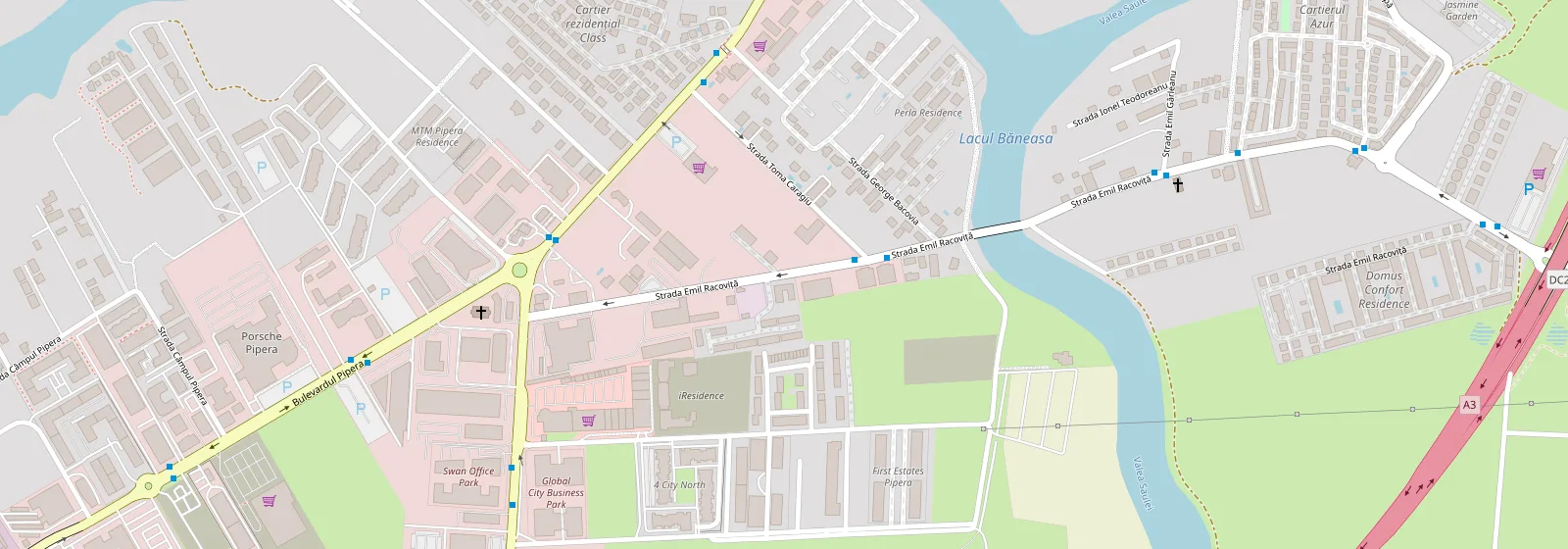
📍 Pipera, Str. Emil Racoviță 26
Dental CATTED Dental Clinic – Pipera