

Have you had a dental bridge for quite a few years and are wondering whether it needs attention? It is a question many patients put off, especially when the bridge does not hurt and seems fine at first glance. The problem is that some signs of deterioration appear gradually, without any initial discomfort.
This article explains how long a dental bridge usually lasts, which signs indicate that it needs replacing and what happens if you decide to put off that decision.
How long does a dental bridge actually last?
A well-made, properly maintained dental bridge can last between 5 and 15 years, sometimes even longer. How long it really lasts depends on several factors: the material used, daily hygiene, regular checkups and the condition of the teeth that support the bridge – the so-called abutment teeth.
There is no fixed, universal deadline after which a bridge must automatically be replaced. Some bridges hold up well for more than 15 years, others need attention sooner, depending on the chewing load and the patient's overall oral health.
Signs that a bridge needs replacing
A few signs deserve your attention, even if you do not feel any pain:
- looseness or a feeling of instability in the bridge when you chew or touch the area with your tongue;
- sensitivity or discomfort in the abutment teeth, especially to cold or pressure;
- discoloration or a visible line at the gum margin, common with older porcelain-fused-to-metal bridges;
- a persistent odor that does not go away after brushing, which may indicate a build-up of plaque or a local problem that needs to be assessed;
- difficulty using dental floss or interdental brushes in that area;
- cracks, chips or visible wear in the material.
👉 None of these signs automatically means an emergency, but all of them justify an assessment at the dental office rather than putting it off indefinitely.
Why these problems occur
A bridge does not usually deteriorate for a single reason. Most often, secondary decay develops at the margins of the abutment teeth – the contact area between tooth and bridge remains vulnerable to plaque, just like a natural tooth.
Over time, loss of retention or changes at the edges of the bridge can encourage plaque to build up and decay to develop around the abutment teeth. Gum recession or other changes in the gum tissue may add to this, exposing the edge of the bridge and affecting both its appearance and how easy the area is to clean. In more severe cases, gum disease can damage the bone and gum that support the abutment teeth, putting the stability of the whole restoration at risk.
What happens if you put off replacing it
A damaged bridge left untreated can make things worse for the abutment teeth – untreated decay at the edge of the bridge can eventually reach the nerve of the tooth, making any later treatment considerably more complicated. An unstable bridge can also affect chewing comfort and may require additional procedures to protect the abutment teeth.
Spotting the problem early can allow simpler treatment and may reduce the risk of additional procedures on the abutment teeth.
Replacing it with a new bridge or switching to an implant
When the time comes to replace it, the natural question is: a new bridge, or a different solution? The answer depends on the condition of the abutment teeth and the bone structure in the area.
If the abutment teeth are still healthy, a new bridge remains a valid option. However, if they are compromised, or if you prefer a solution that does not depend on the neighboring teeth, you can consider a dental implant. You can compare the advantages of each option in detail in our article on dental bridge or implant, which explains the real differences between the two solutions.
In some situations, especially when several teeth are missing or the bone can no longer support a fixed bridge, the dentist may also discuss alternatives such as removable dentures, although this is a structurally different solution.
How the replacement process works
Broadly speaking, the process follows the same stages as for a new bridge: a clinical assessment of the abutment teeth and, where indicated, imaging; removal of the old bridge; checking the condition of the teeth underneath; and, if they are healthy, taking a new impression or digital scan for the final bridge.
If an abutment tooth needs additional treatment – for example, a new dental crown on an affected tooth – this step is built into the overall treatment plan, drawn up after the initial assessment.
The cost of a replacement varies depending on the number of units, the material chosen and any additional treatment the abutment teeth may need. You can see the prices for prosthetic work on the clinic's dedicated page.
Frequently asked questions (FAQ)
How long does a dental bridge last on average?
Between 5 and 15 years, sometimes longer, depending on the material, hygiene and the condition of the abutment teeth. Regular checkups and thorough hygiene go a long way toward extending this.
What signs show that my bridge needs replacing?
A loose bridge, sensitive abutment teeth, discoloration at the gum margin, a persistent odor or difficulty cleaning the area are among the most common signs. If you notice any of these, an assessment at the dental office will clarify the situation.
Is replacing a bridge painful?
Depending on the situation, removing the bridge and any treatment needed for the abutment teeth can be done under local anesthetic. Some discomfort may follow the procedure, depending on what was done, and your dentist can recommend ways to manage it.
Can I replace an old bridge with an implant?
In certain situations, an old bridge can be replaced with an implant-supported solution, especially when the abutment teeth can no longer support a new bridge. The choice depends on the condition of the teeth, the quantity and quality of the bone and your overall oral health.
What happens if I put off replacing a damaged bridge?
Untreated decay at the edge of the bridge can progress toward the nerve of the abutment tooth, complicating later treatment. An unstable bridge can also affect the neighboring teeth or your overall chewing comfort. Putting it off rarely improves the situation on its own.
Can the abutment teeth deteriorate under an old bridge?
Yes. The contact area between tooth and bridge remains susceptible to plaque and decay, just like an uncovered natural tooth. That is why thorough cleaning under the bridge, with special floss, interdental brushes or other aids recommended by your dentist, matters for as long as you wear it.
A timely assessment makes treatment simpler
Replacing a dental bridge is not a sign that something went wrong, but a normal part of the long-term care of a prosthetic restoration. The sooner you spot the signs, the simpler the solution tends to be.
If you notice any of the signs described in this article, or simply cannot remember when your bridge was last checked, a consultation at Dental CATTED gives you a clear assessment and a personalized plan.
Book a consultation and find out whether your bridge needs attention.
📞 Call +40 733 22 88 28
📩 Or fill out the contact form in the sidebar and we will call you back as soon as possible.
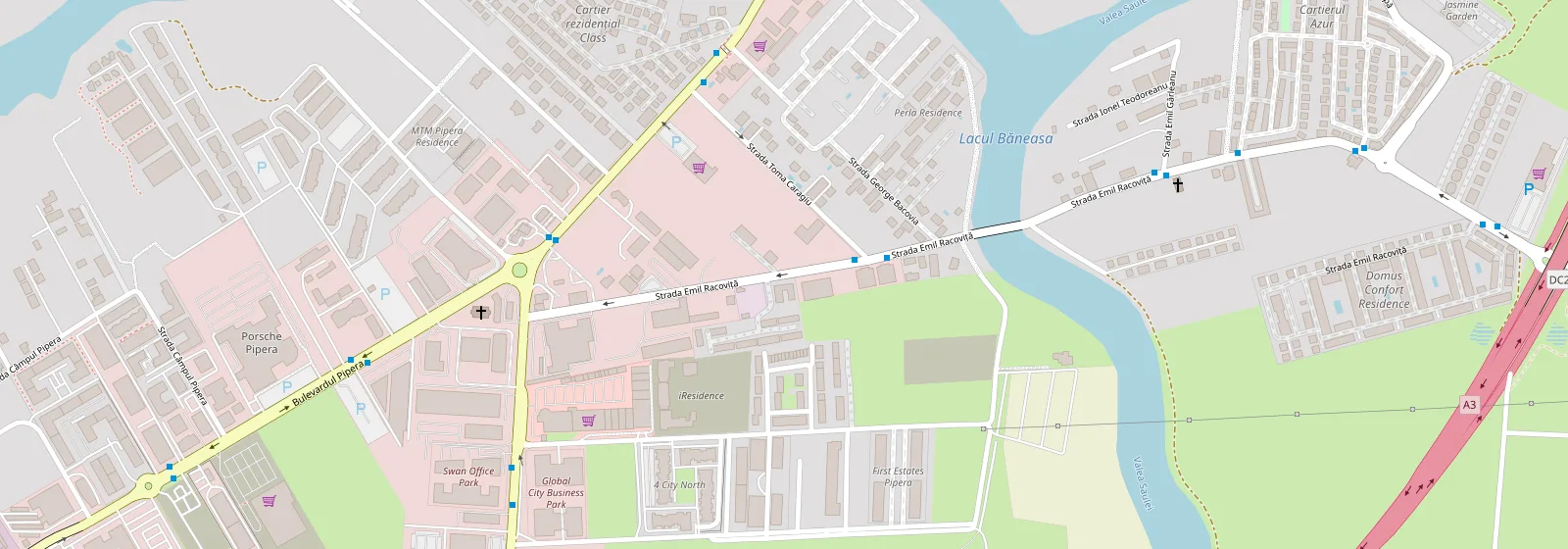
📍 Pipera, Str. Emil Racoviță 26
Dental CATTED Dental Clinic – Pipera