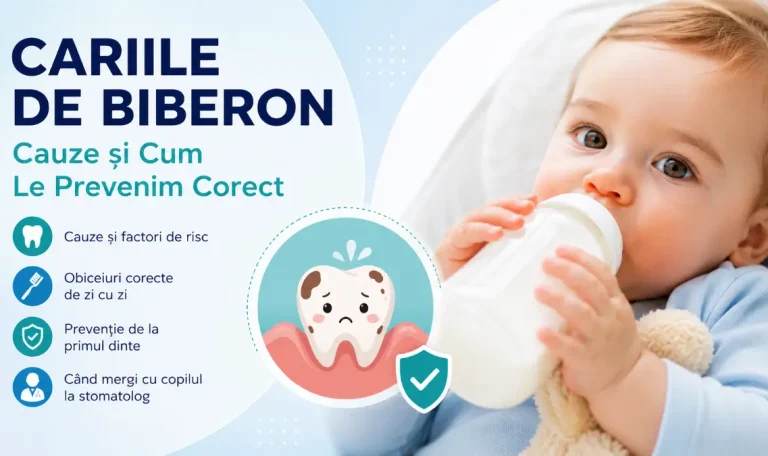

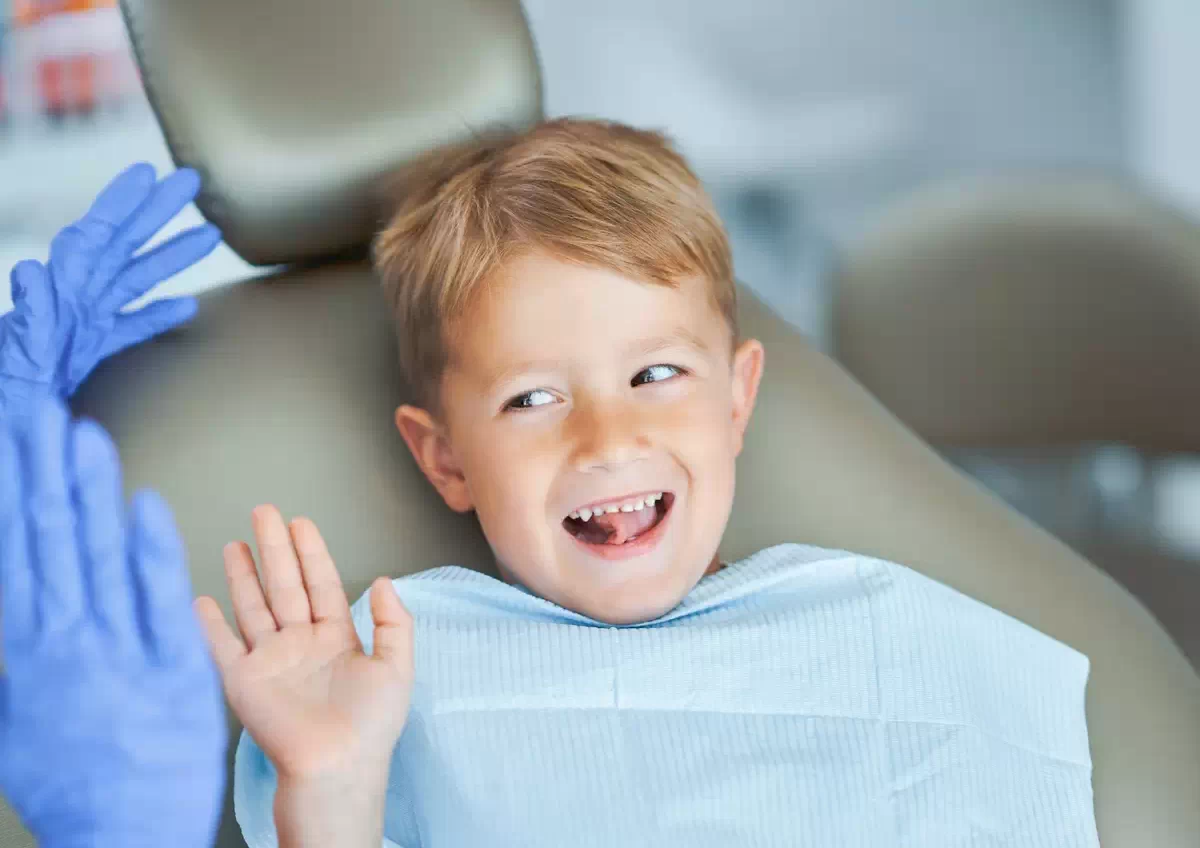
Tooth decay is one of the most common conditions in children. It often develops quickly, with no obvious symptoms at first, and parents only find out about it when the child starts complaining of pain.
Fortunately, there is a simple, safe and highly effective way to prevent it: fissure sealing.
How does fissure sealing help children's health?
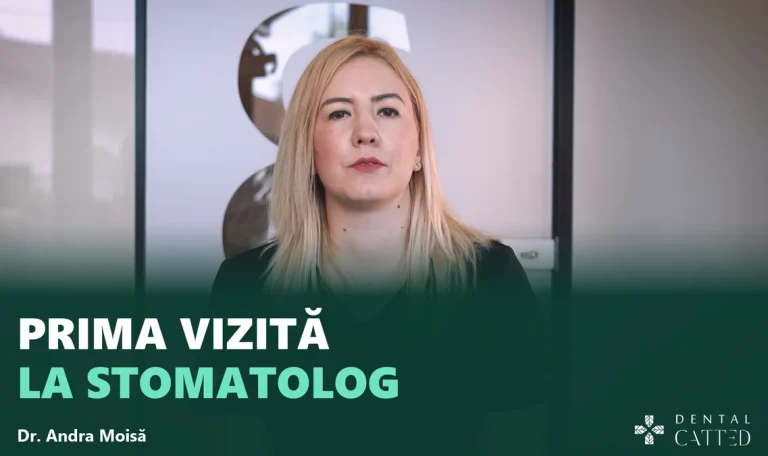
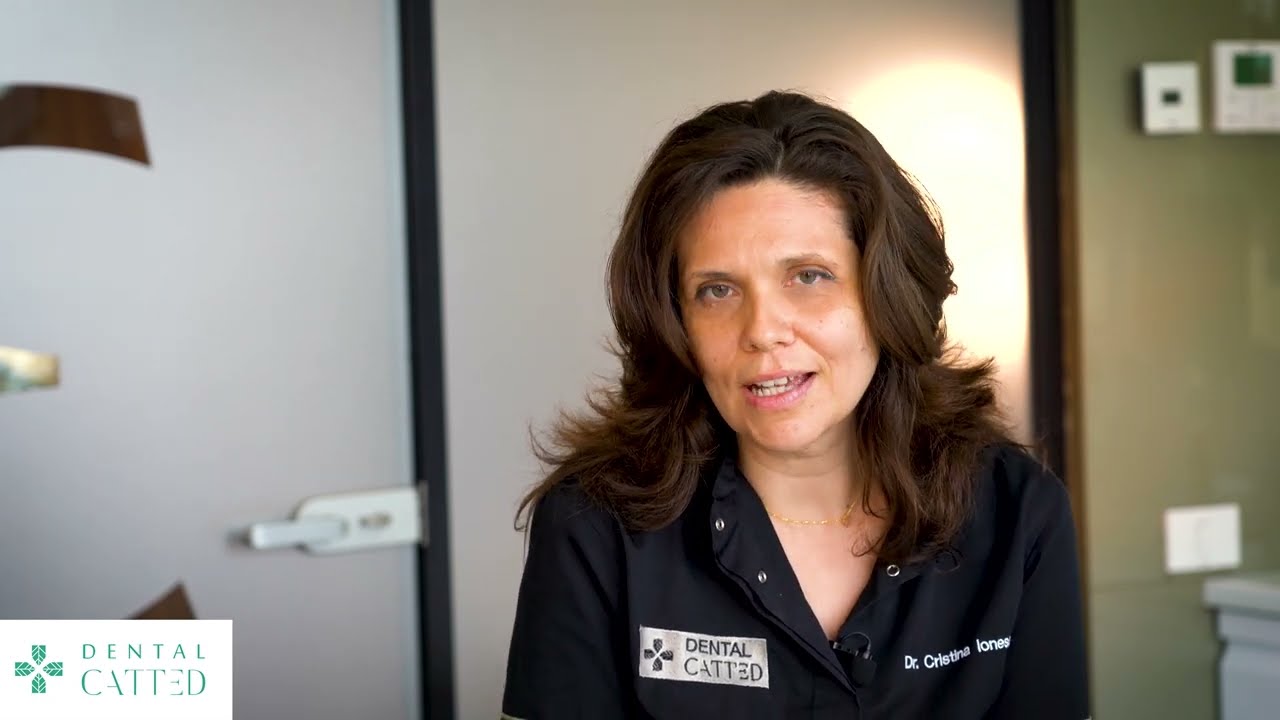
For a clear explanation that parents can easily follow, Dr. Cristina Ionescu talks in the video below about the role of fissure sealing in preventing tooth decay in children.
Fissure sealing is a preventive procedure in which the grooves and pits of the molars and premolars are covered with a special flowable material that hardens and forms a protective barrier.
This barrier stops bacteria and food debris from building up in areas that are hard to clean with a toothbrush.
In short, sealing works like a protective shield against tooth decay.
What is fissure sealing and how does it work?
Children's back teeth (molars and premolars) have surfaces with deep grooves that a toothbrush does not always reach effectively. Plaque builds up in these areas and the risk of decay rises considerably.
With fissure sealing:
- The vulnerable areas of the molars and premolars are covered
- The risk of decay is significantly reduced
- The teeth are protected in the long term
The procedure is:
- Quick
- Usually well tolerated by children
- Non-invasive
- Drill-free
It is one of the most effective preventive methods available in pediatric dentistry.
If you would like to find out more about our services for little ones, you can visit our Children's dentistry – Pediatric dentistry page.
What is the recommended age for fissure sealing?
Sealing is recommended as soon as the permanent back teeth – the molars and premolars – have come through. The first permanent molars appear at around 6 years of age, the premolars between 10 and 12, and the second molars at around 11–12 years.
It is important that the tooth is:
- Fully erupted
- Free of decay
- Clean and healthy
The sooner sealing is done after the tooth comes through, the more effective the protection.
Sealing or fluoride? What is the difference?
Many parents confuse these two procedures, but they have different and complementary roles.
Fluoride treatment
- Strengthens tooth enamel
- Increases resistance to acid attack from bacteria
- Is applied to all tooth surfaces
Fissure sealing
- Mechanically protects the grooves of the molars
- Creates a physical barrier against bacteria
- Is applied only to the back teeth
Preferably, the two methods are part of a complete professional dental cleaning – prevention and hygiene plan.
Together, they considerably reduce the risk of tooth decay in childhood.
How effective is fissure sealing?
Studies show that sealing can reduce the risk of decay in the back teeth (molars and premolars) by up to 70–80% in the first years after it is applied.
Long-term benefits include:
- Fewer invasive treatments
- Less stress for your child
- Lower costs compared with treating decay
- Healthy habits formed early
Cost versus prevention: why is fissure sealing a smart investment?
Many parents wonder whether it is worth sealing their child's teeth if there is no decay.
The answer is simple: prevention generally costs less than treatment.
Untreated decay can lead to:
- fillings
- more complex treatments
- increased anxiety
- negative experiences associated with the dentist
Fissure sealing is a simple procedure that helps limit these risks.
It is an investment in your child's comfort, health and confidence.
How long does fissure sealing last?
The material can last for years, but it is important to have the teeth checked regularly.
At regular checkups, the dentist will assess whether the sealant is intact and recommend reapplying it if necessary.
Regular visits to the pediatric dentist are essential for maintaining good oral health.
Frequently asked questions about fissure sealing
Is fissure sealing painful?
No. The procedure does not involve drilling and is usually well tolerated by children.
Can a tooth with decay be sealed?
No. Sealing is done only on healthy teeth without active decay, whether molars or premolars.
How long does the procedure take?
Usually a few minutes per tooth.
Is the material used safe?
Yes. The materials used are safe and approved for pediatric dental use.
Can my child eat right afterward?
Yes, in most cases there are no major restrictions.
Does the sealant need to be redone?
Over time it may need reapplying, which is why regular checkups are important.
Does sealing replace brushing?
No. It is an additional method of protection, not a substitute for daily oral hygiene.
Book a consultation for your child
Fissure sealing is one of the simplest and most effective preventive methods in pediatric dentistry.
If you want to make sure your child's teeth are protected against decay, book a consultation at Dental CATTED.
📞 Call +40 733 22 88 28
📩 Or fill out the contact form in the sidebar and we will call you back as soon as possible.
📍 Pipera, Str. Emil Racoviță 26
Dental CATTED Dental Clinic – Pipera