
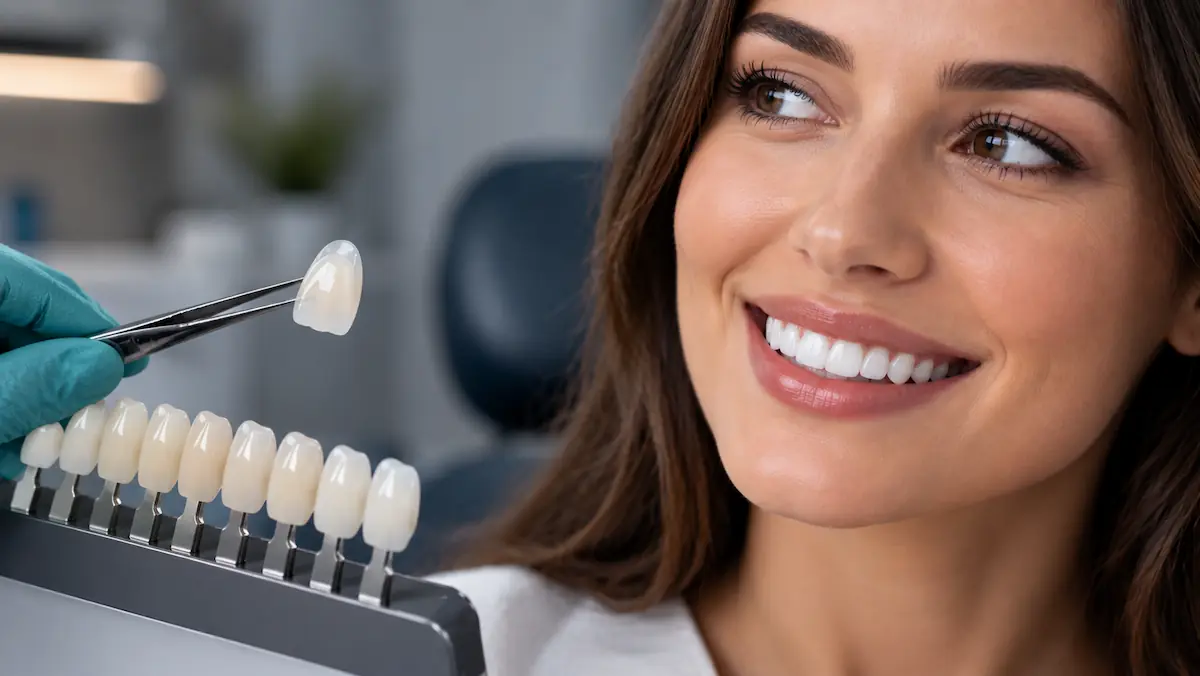
If you are interested in dental veneers, you have probably already come across the term E-max. It is the trade name of a lithium disilicate ceramic that is widely used in cosmetic dentistry because it can reproduce an appearance close to that of natural enamel.
This article explains what E-max ceramic veneers are, who they suit, how the treatment is carried out and what is worth knowing before your consultation. They are part of the wider range of cosmetic dentistry treatments offered by the clinic.
What are E-max ceramic veneers?
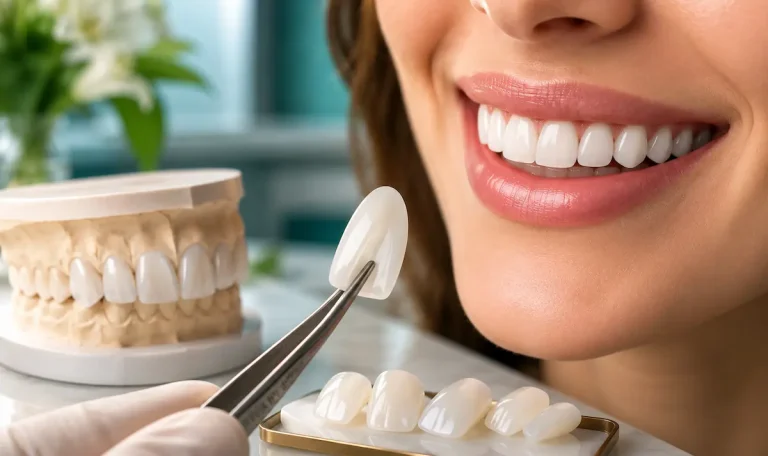
E-max ceramic veneers are thin, individually made shells that are bonded to the front surface of the teeth. They are made from pressed lithium disilicate ceramic, also known in dental practice by the trade name E-max. The material is valued for a translucency close to that of natural enamel.
They are used to correct:
- discoloration (stains) that does not respond to whitening;
- cracks or chips;
- gaps between teeth (diastemas);
- irregularities in shape or size;
- certain minor positioning problems, which can be corrected aesthetically through the shape and positioning of the restoration.
Why E-max ceramic is chosen for a natural look
A few characteristics explain the popularity of this material:
- natural appearance – the translucency of the ceramic contributes to an appearance close to that of natural enamel and to a result in harmony with the neighboring teeth;
- good stain resistance – a well-finished, polished surface resists surface staining, for example from coffee or tea;
- preparation tailored to the case – in suitable cases, preparation can be conservative, but the amount of tooth tissue removed depends on the clinical situation, the design of the restoration and the aim of treatment.
👉 The final appearance depends not only on the material but also on the shade chosen, the shape of the teeth and the proportions of your face.
Who is a suitable candidate?
Ceramic veneers are an option for many patients who want to improve the appearance of their smile, but not for everyone. At the consultation, the dentist assesses:
- general oral health – active decay and gum disease are treated before veneers;
- severe bruxism – may require additional protection or may influence the choice of solution;
- extensively damaged teeth – may be better suited to other restorations, such as crowns.
The decision is always made after an assessment, not on the basis of a general list of criteria.
How the treatment is carried out
Broadly speaking, the process follows four stages:
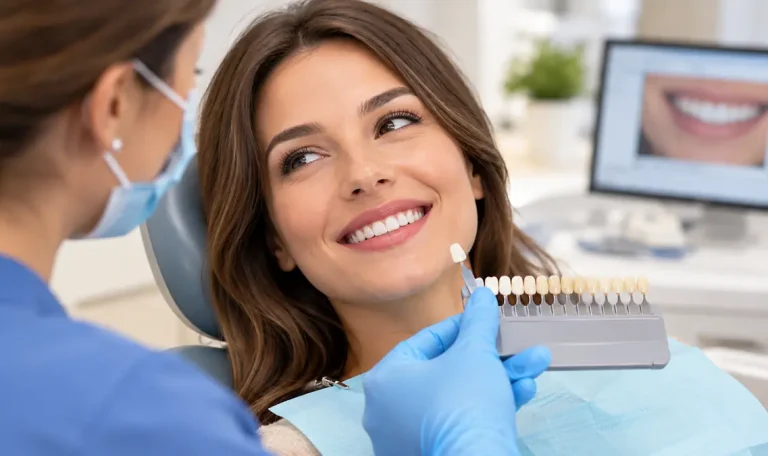
- Consultation and digital planning – assessment, digital intraoral scanning and, where appropriate, a “mock-up” to see the shape and proportions of your future smile; this is also when the right shade is discussed, and you can read more about veneer color in a dedicated article;
- Tooth preparation and intraoral scanning – the front surface is prepared as the case requires, then the scan data is sent to the dental laboratory;
- Try-in – the appearance, shape, color and bite are checked, then the veneers are bonded permanently following the protocol recommended for the material and the clinical situation;
- Completion and aftercare – final adjustments and clear oral hygiene instructions.
After the planning stage, the process usually involves 2-3 visits to the clinic, depending on the case and the number of veneers.
E-max or zirconia veneers – how to choose
E-max ceramic veneers generally offer an advantage in translucency and are often chosen when aesthetics are the priority. Modern zirconia offers high mechanical strength and can be an alternative in certain cases, depending on the position of the tooth, the thickness of the restoration, the underlying tooth, functional requirements and aesthetic goals.
If you are undecided, the article on zirconia vs. ceramic veneers explains the differences in more detail. The final choice is made together with your dentist, after an assessment.
How much they cost and how long they last
At Dental CATTED, the price of an E-max ceramic veneer ranges from 2,400 to 2,700 RON, with options for payment in installments. The total cost depends on the number of veneers needed, which is determined after the initial assessment.
With proper care, ceramic veneers can last many years, but their longevity depends on the material, the design of the restoration, your bite and oral hygiene. Looking after them is similar to looking after natural teeth: thorough brushing, dental floss or a water flosser, and regular checkups.
Frequently asked questions (FAQ)
What are E-max ceramic veneers?
They are thin, custom-made shells of pressed E-max ceramic, bonded to the front surface of the teeth. They are used to improve the appearance of teeth with stains that do not respond to whitening, chips, gaps between teeth or irregularities in shape.
Do E-max veneers look natural?
The translucency of E-max ceramic makes it possible to achieve an appearance close to that of natural enamel. The final result, however, depends on the shade chosen, the shape of the veneers and how they blend with the neighboring teeth – aspects decided together with your dentist.
How much does an E-max ceramic veneer cost?
At Dental CATTED, the price of a veneer ranges from 2,400 to 2,700 RON, with the option of payment in installments. The total cost depends on the number of veneers needed, which is determined after the consultation, when the dentist assesses your particular situation.
How long do ceramic veneers last?
With proper care, they can last many years. Their longevity depends on the design of the restoration, your bite, oral hygiene and habits such as untreated bruxism. Regular checkups help detect any problem early.
Does having veneers fitted hurt?
Depending on the case, the teeth can be prepared under local anesthetic, and after the procedure there may be mild discomfort or temporary sensitivity. Your dentist can recommend ways to manage this, and if any unusual symptoms appear, it is important to get in touch.
Can I have veneers if I have bruxism?
Bruxism needs to be assessed before treatment, because repeated forces can put strain on the restoration. Depending on individual risk, the dentist may recommend a protective night guard or propose a different solution. A night guard does not automatically make a patient eligible for veneers – the decision is made after an assessment.
A natural smile is built together with your dentist
E-max ceramic veneers are a solution valued for their natural appearance, but the result depends on careful planning, the right shade and the condition of your teeth. There is no universal choice, only one that suits your case.
For dental veneers, assessment and planning at Dental CATTED are carried out by dentists experienced in aesthetic and prosthetic dentistry. A consultation gives you a clear assessment and a personalized plan, with no pressure.
Book a consultation and find out whether E-max ceramic veneers are right for your smile.
📞 Call +40 733 22 88 28
📩 Or fill out the contact form in the sidebar and we will call you back as soon as possible.
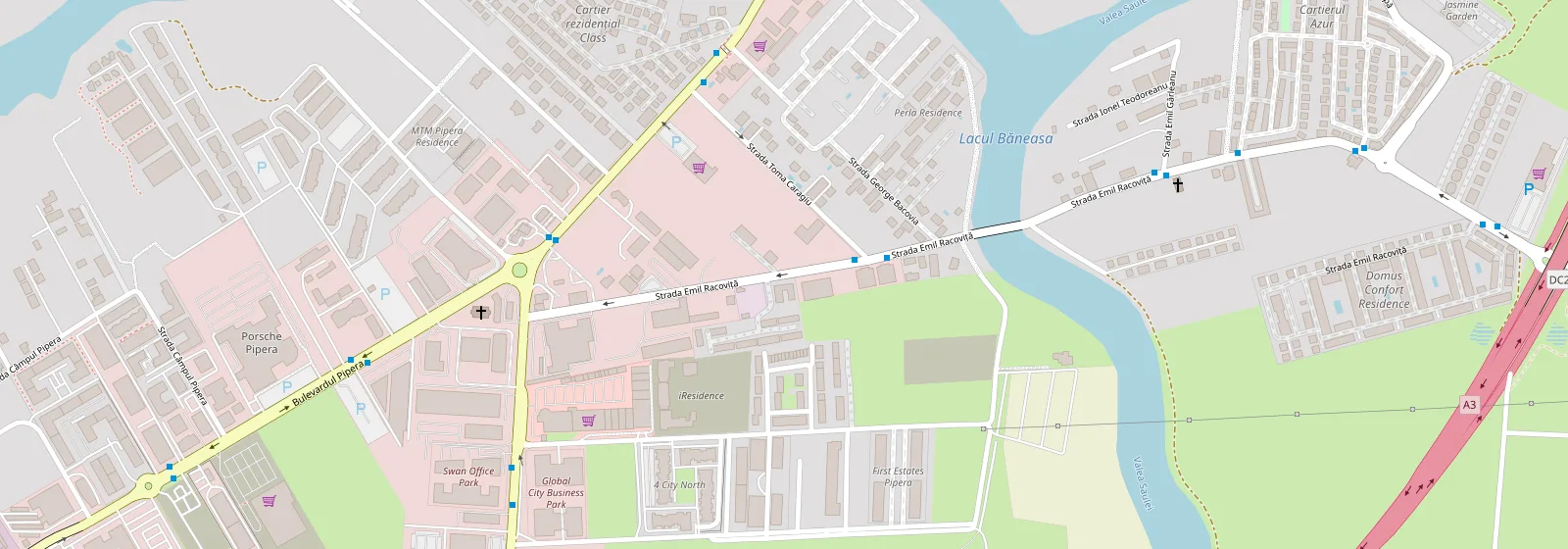
📍 Pipera, Str. Emil Racoviță 26
Dental CATTED Dental Clinic – Pipera