

Have you heard about the All-on-4 system and are wondering whether it is the right solution for you? It is a natural question – not every patient with missing teeth is a candidate for this option, and All-on-4 implants are always recommended following a clinical assessment, not on the basis of a general list of criteria.
This article explains who this treatment is usually suitable for, which factors influence the decision and what happens at the initial assessment.
Who All-on-4 is actually recommended for
All-on-4 implants are designed for patients who have lost all or most of the teeth in one arch and who want a fixed solution rather than a removable one. It is not the right treatment for someone who only needs to replace a single tooth – in that case, a single implant usually remains the simpler solution.
The recommendation is clearest in a few situations:
- complete or near-complete tooth loss in one arch;
- long-term wear of a removable denture, with the wish to switch to a fixed solution;
- moderate bone loss, which would make single implants difficult to place without additional procedures;
- remaining teeth with a poor prognosis that will need to be extracted anyway.
Signs that you may be a suitable candidate
A few factors increase the chances that the assessment will confirm All-on-4 as a realistic option in your case:
- stable general health – no uncontrolled systemic conditions that could affect healing;
- adequate bone volume and distribution in the areas where the implants can be placed, even if there is bone loss in other parts of the arch;
- the motivation to maintain thorough oral hygiene in the long term, which is essential for the prosthesis to last;
- realistic expectations about the stages of treatment, including the healing and monitoring period after the implants are placed.
👉 None of these criteria is assessed in isolation. The final decision comes from how they combine, as established at the consultation.
Cases where All-on-4 is not the first option
There are situations in which the dentist may recommend a different approach, at least initially:
- very severe bone deficiency – sometimes a bone augmentation procedure is needed before implants can be considered;
- active, untreated gum disease – it must be assessed and stabilized before implant treatment;
- smoking – it does not automatically rule out treatment, but it increases the risk of complications and may influence the dentist's decision on the right timing;
- uncontrolled diabetes – it can be managed medically before treatment continues, together with the diabetes specialist.
These situations do not necessarily mean a definitive no; rather, they mean that additional preparation is needed before the procedure.
How it differs from other solutions for missing teeth
All-on-4 is not the only option for someone who has lost several teeth. The right choice depends on careful planning, not just on the patient's preference – suitable prosthetic work takes into account the number of missing teeth, the available bone volume and each patient's chewing forces.
For cases with fewer missing teeth, single dental implants often remain the more suitable solution. All-on-4 is an option to consider when a whole arch needs to be restored, including situations where the bone distribution and volume allow fewer implants to be used.
Want to find out whether All-on-4 is right for you?
What happens at the initial assessment
The final decision is always made after a full assessment, which usually includes a CBCT scan to analyze the available bone structure and the position of the anatomical structures in the area. The dentist will discuss your medical history, your habits (smoking, bruxism) and your expectations about the result with you.
If the assessment confirms that you are a suitable candidate, the next step is treatment planning. You can find out more about the stages that follow, including healing after an implant, in our dedicated article on the subject.
Frequently asked questions (FAQ)
Who is a suitable candidate for All-on-4?
As a rule, patients who have lost all or most of the teeth in one arch, are in stable general health and want a fixed solution instead of a removable denture. The final decision is always confirmed after a full imaging and clinical assessment.
What happens if I don't have enough bone for All-on-4?
The specific configuration of All-on-4 implants, including the angled placement of the back implants, may allow the use of areas with more favorable available bone and, in some cases, avoid certain augmentation procedures. In cases with severe bone deficiency, however, the dentist may recommend additional preparation before the procedure.
Does smoking rule me out of All-on-4 treatment?
Not automatically, but smoking increases the risk of complications and may affect the pace of healing. The dentist discusses this at the assessment and may recommend cutting down or quitting smoking around the time of the procedure, for more predictable results.
Can I have All-on-4 if I have diabetes?
In many cases, yes, especially when blood sugar is well controlled. Poorly controlled diabetes can affect healing and the risk of complications, which is why the dentist may recommend improving blood sugar control and, where necessary, working with the diabetes specialist before treatment.
How do I know whether I am a candidate for All-on-4 or for single implants?
It depends mainly on how many teeth are missing. For one or a few teeth, single implants usually remain the simpler solution. All-on-4 becomes relevant when a whole arch, or most of the teeth in it, is missing.
Is there a minimum or maximum age for All-on-4?
There is no strict age limit – the decision is based on general health and bone structure, not on calendar age. Older patients can be suitable candidates, just like younger ones, as long as their health allows the procedure.
The recommendation is made individually
All-on-4 implants are not recommended according to a rigid list of criteria, but following an assessment that takes into account your bone structure, general health and expectations. For some patients, this is the right solution; for others, a different approach may give better results.
The implant dentists at Dental CATTED assess every case individually to determine whether All-on-4 is the right choice for you.
Book a consultation and find out whether you are a suitable candidate for All-on-4.
- 📞 Call +40 733 22 88 28
- 📩 Or fill out the contact form below and we will call you back as soon as possible.
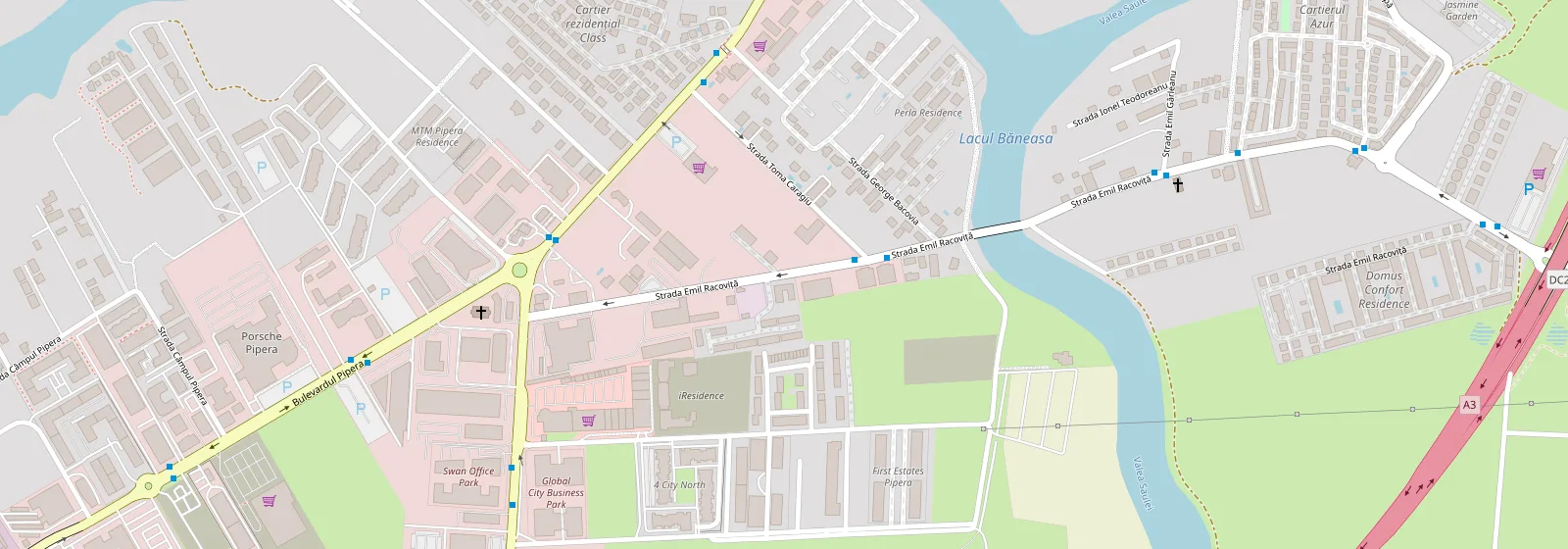
- 📍 Pipera, Str. Emil Racoviță 26
Dental CATTED dental clinic – Pipera