
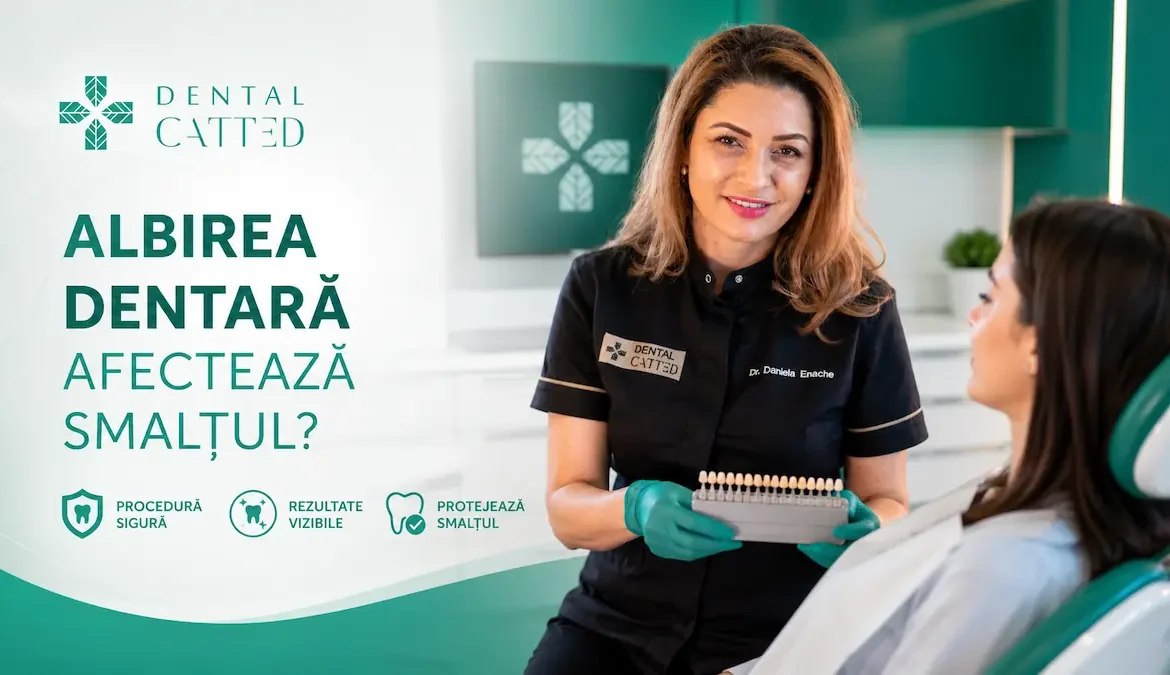
It is one of the most common questions patients ask when considering a teeth whitening session: will the procedure weaken their teeth or damage their enamel in the long term? The concern is natural – especially with so many whitening products sold over the counter, without any medical supervision.
The short answer is that professional teeth whitening, carried out correctly and under medical supervision, does not affect the structure of the enamel. But to really understand why, it is worth looking at what actually happens to the tooth during the procedure.
What happens to the enamel during whitening
Professional teeth whitening uses a gel based on hydrogen peroxide or carbamide peroxide, activated by a special LED lamp. The active substance passes through the enamel and acts on the pigments that build up over time – from coffee, tea, red wine or smoking.
It is important to understand that the peroxide breaks down the pigment molecules; it does not remove or erode the enamel itself. The enamel structure is neither removed nor thinned – only the color of the pigments accumulated in the enamel and dentin changes.
During and immediately after the procedure, the natural micropores of the enamel become temporarily more permeable. This is why teeth may be slightly sensitive after whitening and why you are advised to avoid strongly colored foods for the first 24–48 hours – not because the enamel is damaged, but because it is temporarily a little more permeable. Saliva naturally restores this within a short time.
Why sensitivity and temporary changes occur
👉 Tooth sensitivity after whitening is normal and does not indicate a structural problem. It is a transient reaction of the dental pulp to the temporarily increased permeability of these micropores, not a sign of permanent damage.
Most patients experience this sensitivity as a reaction to cold or air, and it usually disappears within 24–48 hours. If the dentist expects more pronounced sensitivity – for example in patients whose teeth are already sensitive – they may recommend a desensitizing gel, applied before or after the session.
Professional whitening compared with home products
This is where the real difference in safety lies. The risks you may have heard about – erosion, excessive sensitivity, gum irritation – occur almost exclusively with the uncontrolled use of whitening products bought without a prescription or supervision. The problem is not that these products exist, but that they are used without a prior diagnosis and without adapting the treatment to each patient’s condition.
A few essential differences compared with an in-clinic session:
- the concentration of the active substance is calculated and controlled by the dentist, not left to the patient;
- the gums and lips are physically protected while the gel is applied, which reduces the risk of irritation;
- the condition of the teeth is assessed beforehand – whitening is only done on healthy teeth, with no active decay or untreated gum problems;
- the result is monitored throughout the session, with adjustments according to each patient’s reaction.
You can read how professional teeth whitening works, step by step, on our blog.
Who should not have teeth whitening
Although the procedure is safe for most patients, there are situations in which whitening should be postponed or avoided:
- pregnancy and breastfeeding – as a precaution, it is advisable to postpone treatment;
- active decay or untreated gum disease – whitening is only done on healthy tooth structure;
- fillings or crowns on the front teeth – these do not whiten, so the result may become uneven if the rest of the teeth get lighter;
- pre-existing marked tooth sensitivity – this needs careful assessment before deciding whether and how the procedure can be done.
The final decision is always made after an assessment, not on the basis of a general list of rules. If whitening is not the right solution in your case, the dentist may recommend other options from our range of cosmetic dentistry treatments – from veneers to other treatments adapted to your situation.
How the enamel is protected during professional treatment
The clinical protocol is designed precisely to minimize the risks that uncontrolled whitening can carry. Treatment starts with a full professional dental cleaning – without it, the whitening gel does not act evenly and the result may be patchy.
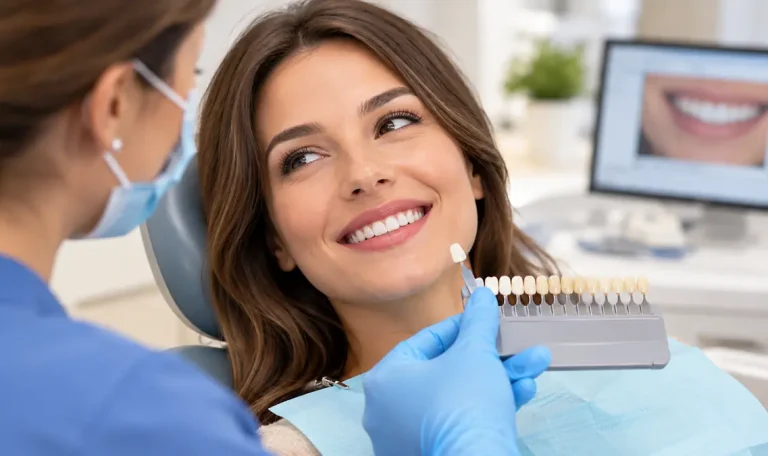
The dentist then protects the soft tissues and applies the whitening gel strictly to the surface of the teeth, activating it with the LED lamp in short, controlled sessions. The whole process usually takes about 90 minutes. Depending on the initial shade of the teeth, the result can be up to about 8 shades lighter and is visible immediately.
How to care for your teeth after whitening for lasting results
In the first 24–48 hours, while the enamel is slightly more permeable, what you eat and drink matters more than usual. Avoid coffee, black tea, red wine, sodas and strongly colored foods.
If you have a special occasion coming up and wonder how to make the effect last as long as possible, our article on getting a bright smile before an important event has useful tips that apply all year round, not just over the holidays.
In the longer term, the results of a whitening session can last between 6 months and 2 years, depending on your diet, smoking and daily oral hygiene.
Frequently asked questions (FAQ)
Does teeth whitening damage tooth enamel?
No, not when it is carried out professionally, under medical supervision and with certified products. The peroxide in the gel breaks down the pigments accumulated in the enamel and dentin, without eroding or thinning the tooth structure. The temporary changes in permeability disappear within 24–48 hours, as saliva restores the enamel to its normal state.
Why are teeth more sensitive after whitening?
Sensitivity occurs because the surface structure of the enamel temporarily lets thermal stimuli reach the dental pulp more easily. It is a normal, transient reaction that usually disappears within 24–48 hours and does not indicate any structural problem.
Is home whitening as safe as in-clinic whitening?
Not necessarily. Home whitening products are not preceded by a medical assessment and do not allow the treatment to be adapted to each patient’s particular situation, as happens in the clinic. The risks of irritation or excessive sensitivity are significantly higher without medical supervision.
How long do teeth whitening results last?
Between 6 months and 2 years, depending on your eating habits, smoking and oral hygiene. Frequently drinking coffee, tea or red wine can shorten this period, while thorough hygiene and regular checkups help the result last longer.
Can anyone have teeth whitening?
Most adults are suitable candidates, but there are exceptions – pregnancy, untreated decay, active gum disease or extensive restorations in the visible area (veneers, crowns or large fillings). The decision is always made after an assessment at the clinic, where the dentist checks whether the procedure is suitable for your case.
How much does a professional teeth whitening session cost?
At Dental CATTED, a whitening session with the Philips Zoom system costs 1,500 RON. You can see the price of teeth whitening alongside our other cosmetic dentistry fees on our dedicated page.
A safe procedure when done properly
Professional teeth whitening does not affect the structure of the enamel when it is carried out correctly and under medical supervision. The risk of unwanted reactions does increase, however, when whitening products are used without an assessment and without following the instructions for use. The procedure changes the color of pigments accumulated over time, without affecting the integrity of the enamel.
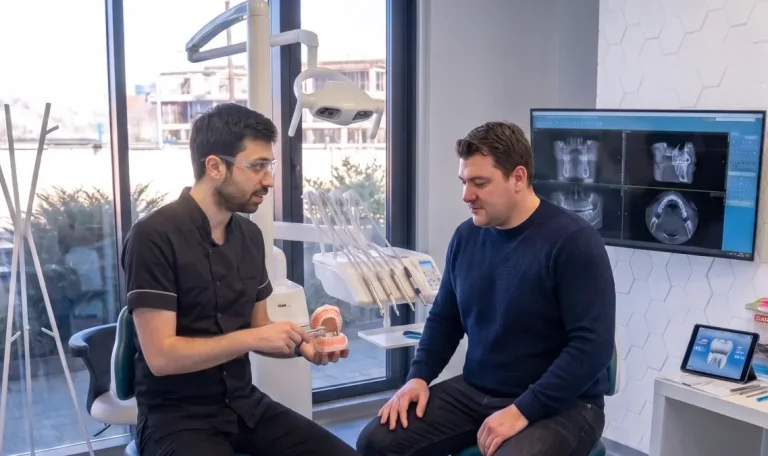
If you would like a brighter smile and want to find out whether you are a suitable candidate, the most sensible step is a consultation at Dental CATTED, where the dentist assesses the condition of your teeth and recommends the right approach – without unnecessary risks.
Book a consultation and find out how you can get a whiter smile, safely.
📞 Call +40 733 22 88 28
📩 Or fill out the contact form in the sidebar and we will call you back as soon as possible.
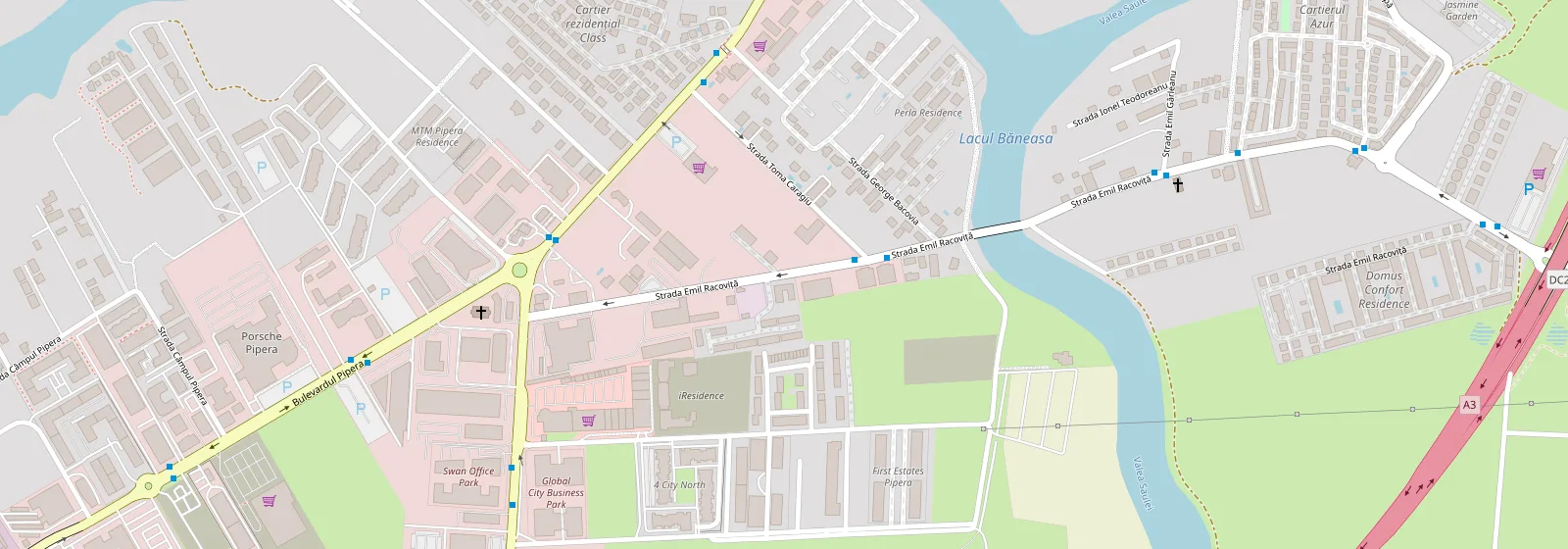
📍 Pipera, Str. Emil Racoviță 26
Dental CATTED Dental Clinic – Pipera