
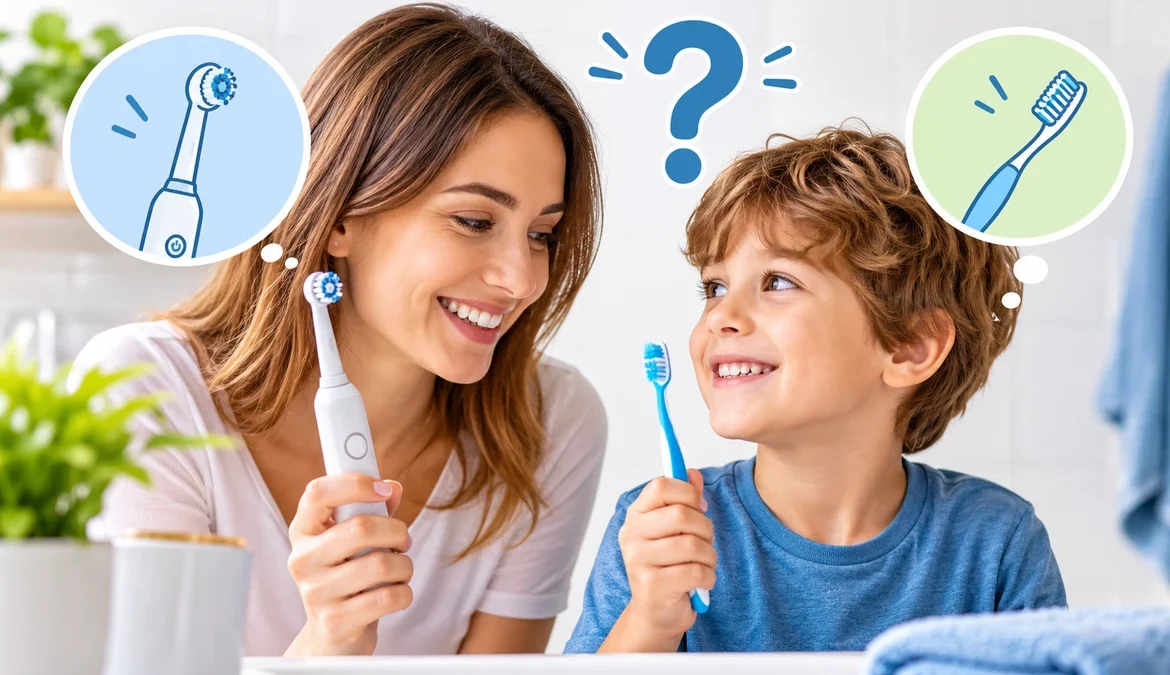
“Is it worth getting an electric toothbrush?” is a question we hear often, especially after a checkup where the dentist found plaque or inflamed gums. The short answer: both can clean your teeth well, as long as you use them correctly.
Whether you choose an electric or manual toothbrush, what matters most is how you brush your teeth every day. And neither one replaces professional dental cleaning, which removes the tartar that brushing can no longer get rid of.
What matters more than the type of toothbrush
Plaque is removed through contact and time, not force. A few things make the difference, no matter which toothbrush you have:
- brushing twice a day, for about two minutes;
- a fluoride toothpaste;
- soft bristles, which clean without irritating the gums;
- paying attention to the area where the tooth meets the gum, where plaque builds up most easily;
- gentle pressure: don't scrub, just move methodically over each tooth.
After brushing, spit out the excess toothpaste without rinsing your mouth with water. This way, the fluoride stays in contact with your teeth longer.
Electric or manual toothbrush: what the studies say
A 2014 Cochrane review that included 56 studies found that electric toothbrushes can reduce plaque and gum inflammation somewhat more than manual ones, both in the short term and after a few months of use. Most of the data are for toothbrushes with a round head that rotates and oscillates. However, it is not clear how much these differences matter for long-term oral health.
The average benefit is modest and does not make an electric toothbrush the right choice for everyone. A manual toothbrush used correctly can provide good oral hygiene, while an electric one used in a hurry can leave plaque in hard-to-reach areas.
When an electric toothbrush can help
For some patients, an electric toothbrush can make it easier to brush correctly:
- limited hand mobility, for example due to arthritis: the brush head does the movement for you;
- you wear fixed braces: plaque builds up easily around the brackets, and some people find it easier to clean these areas with an electric toothbrush, along with interdental brushes;
- you brush too quickly: many models have a timer that signals when two minutes have passed or when it's time to move on to another area;
- you press too hard: some models have a pressure sensor that warns you when you're using too much force.
Pressure matters because aggressive brushing can contribute to gum recession, especially when the gums are thin or other factors are also present. If you already have areas where your gums have receded, talk to your dentist about which type of toothbrush and which technique are right for you.
When a manual toothbrush is enough
If you brush consistently, with good technique, and your dentist finds no plaque or inflammation at your checkup, a well-chosen manual toothbrush is enough. It also has practical advantages: it's easy to take when you travel, it doesn't need charging, and it's inexpensive to replace.
When you choose one, look for soft bristles and a small head that easily reaches your back molars. Hard bristles don't necessarily clean better and can irritate your gums.
How to use each type correctly
With a manual toothbrush, hold the bristles angled toward the gumline, at about 45 degrees, and make small, gentle movements over two or three teeth at a time. Brush the outer surfaces (toward the cheek), the inner surfaces (toward the tongue), and the chewing surfaces.
With an electric toothbrush, you don't do the brushing motion yourself. You slowly guide the head along your teeth, without pressing and without scrubbing back and forth the way you would with a manual brush. The technique varies a little from one type to another: with round-head models, for example, you hold it on each tooth for a few seconds before moving on to the next. The manufacturer's instructions tell you what suits your model.
👉 With both, the order matters: if you always start in the same place and go through your whole mouth the same way, it's harder to skip an area.
What no toothbrush can do
Whatever the type, a toothbrush doesn't reach well between your teeth. There, you need dental floss or interdental brushes, chosen according to the space between your teeth. Your dentist can show you which size suits you.
A toothbrush can't remove tartar, either, which is hardened plaque. Tartar is removed at the clinic through scaling, and Airflow can complement the cleaning by helping remove plaque and surface stains from your teeth. You can find out more in our article on scaling and Airflow. Your dentist will recommend the right interval for you after a checkup.
When to replace your toothbrush or brush head
A manual toothbrush or an electric toothbrush head should usually be replaced every 3-4 months, or sooner if the bristles have become bent out of shape. Splayed bristles clean less effectively.
Don't share your toothbrush or brush head with anyone else. After use, rinse it and let it air-dry upright, not in a closed container.
Frequently asked questions (FAQ)
Can an electric toothbrush damage your enamel or gums?
Used correctly, with soft bristles and gentle pressure, it usually doesn't. Too much pressure or aggressive scrubbing can irritate your gums and may contribute to tooth wear. If you have sensitive teeth or gum recession, a model with a pressure sensor and a gentler mode can help.
Which is better: a sonic toothbrush or one with a rotating head?
Both types can clean your teeth well. Most studies have looked at oscillating-rotating toothbrushes, but that doesn't mean sonic toothbrushes are unsuitable. Using your toothbrush correctly and consistently matters more than the type of motion.
Can I use an electric toothbrush if I have implants or crowns?
Yes, usually, with a soft-bristled head and without pressing too hard. Around implants and prosthetic restorations, it's important to carefully clean both the area along the gumline and the spaces between your teeth. Your dentist may also recommend other tools suited to your specific restoration.
At what age can a child use an electric toothbrush?
There are electric toothbrushes made for children, with a small head and soft bristles. Whatever the type, a parent should help with and supervise brushing until at least around age 7-8, and often longer, until the child can brush properly on their own.
If I switch to an electric toothbrush, do I still need professional cleanings?
Yes. A toothbrush removes plaque day to day, but not tartar that has already formed. Professional dental cleaning is still necessary, at the interval your dentist recommends based on your risk.
Technique matters more than the type of toothbrush
When you choose between an electric and a manual toothbrush, there is no option that suits everyone: what matters is brushing correctly, twice a day, with fluoride toothpaste and without pressing too hard. An electric toothbrush can help some patients, for example when your hands give you trouble, you wear braces, or you tend to press too hard. At your checkup, your dentist can tell you whether your brushing reaches everywhere and what is worth changing.
Book an appointment for a checkup and a professional cleaning and find out which toothbrush and technique suit you.
📞 Call 0733 22 88 28
📩 Or fill out the contact form in the sidebar and we will call you back as soon as possible.
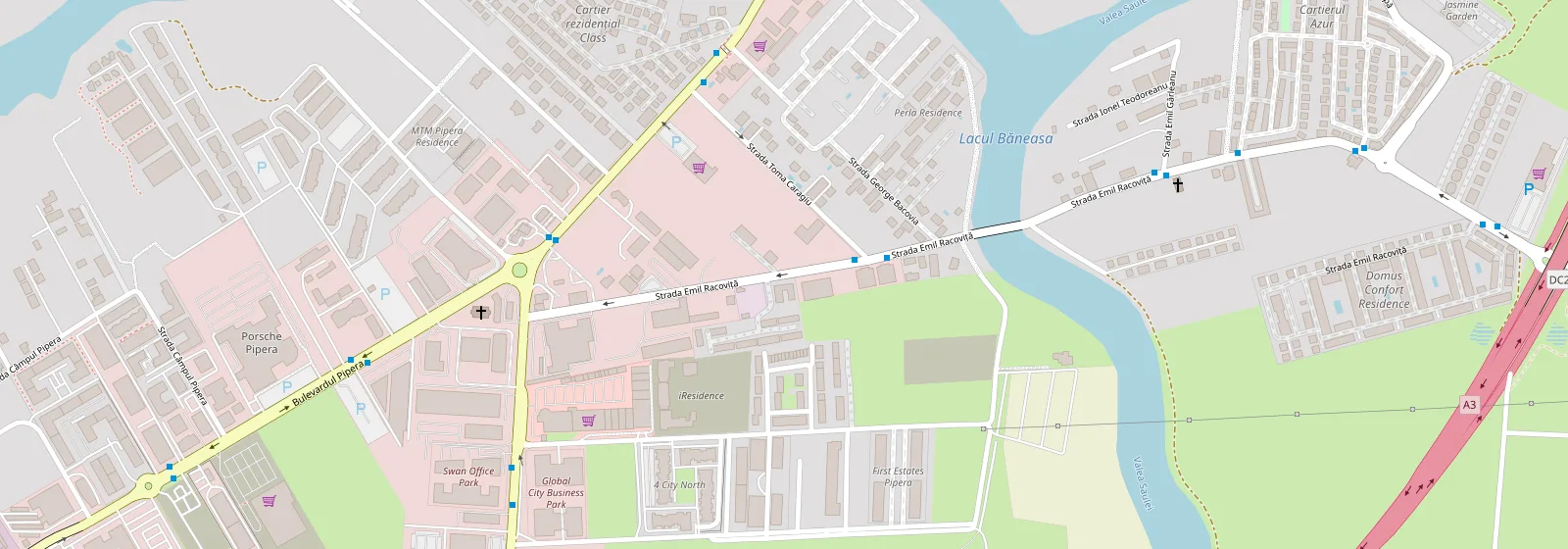
📍 Pipera, Str. Emil Racoviță 26
Dental CATTED Dental Clinic – Pipera