
Bad breath (halitosis) is a common problem that can have dental causes such as periodontitis, tooth decay or a build-up of tartar, and it can affect your self-confidence and how comfortable you feel in social situations.
In many cases the cause is not digestive, as is often believed, but dental in origin. Plaque, inflamed gums or tooth decay can produce persistent unpleasant odors.
In this article you will find out:
- what the dental causes of bad breath are
- how this problem is treated properly
- what you can do to prevent it
What is halitosis?
Bad breath, also known as halitosis, is a common problem that can affect your self-confidence and social interactions. Although many people notice bad breath in the morning, it can also persist throughout the day when there are certain oral or digestive problems.
In many cases, unpleasant breath odor is caused by bacteria that build up in the mouth and break down food debris, releasing volatile sulfur compounds.
The most common sources are:
- a build-up of plaque
- tartar deposits
- food debris left between the teeth
- gum inflammation
- dental infections
Although halitosis can sometimes have digestive or ENT causes, most cases originate in the mouth. If the problem persists, it is important to identify the causes of bad breath correctly, because it can sometimes point to dental or gum conditions that need treatment.
Causes of bad breath
There are many causes of bad breath, and in most cases they are linked to oral health.
The most common include:
1. Inadequate oral hygiene
Food debris left between the teeth or on the tongue encourages the growth of bacteria that produce unpleasant breath odor.
2. Gum conditions
Gum inflammation or periodontal disease can cause persistent halitosis. If you would like to understand the difference between these conditions and how they can progress over time, read our article on the difference between gingivitis and periodontitis.
3. Coated tongue
The surface of the tongue can trap bacteria and food debris, contributing to bad breath in the morning.
4. Xerostomia (dry mouth)
Saliva helps keep the mouth clean. When saliva production drops, bacteria can multiply more quickly.
5. Certain foods or habits
Eating onions or garlic, or smoking, can contribute to unpleasant breath odor.

Dental treatments that can eliminate halitosis
The treatment of bad breath always depends on the exact cause identified during a dental consultation.
The most common solutions include:
- periodontal treatment – recommended for gum inflammation and gum disease
- professional dental cleaning – to remove plaque and tartar
- dental fillings – to treat cavities that can harbor bacteria
Identifying the right cause is essential for getting rid of the unpleasant odor in the long term, rather than just masking the symptoms temporarily.
How bad breath is treated
Treating halitosis starts with identifying the real cause, because bad breath can have several origins.
The diagnostic process includes:
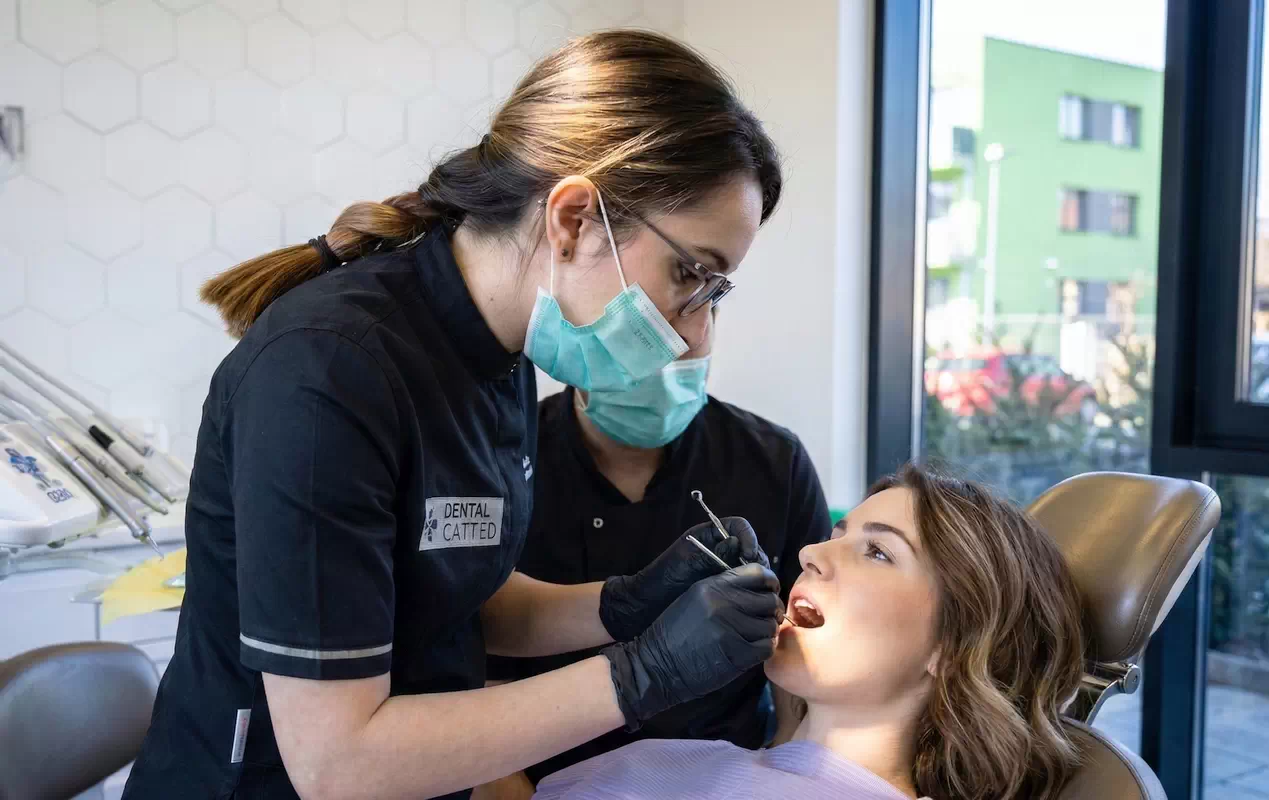
- a complete dental consultation
- an assessment of the gums and teeth
- identifying areas where bacteria build up
- checking for any periodontal inflammation
In many cases, the first step is a professional dental cleaning, which removes tartar and plaque.
If there is gum inflammation or gum disease, the dentist may recommend specialist periodontal treatment, which reduces the gum infection and removes the bacteria responsible for the odor.
In the video below, Dr. Ioana Cobâlaș explains how bad breath can have periodontal causes and what can be done to treat and prevent it.
Video – bad breath: periodontal causes and solutions

How you can prevent halitosis
Bad breath can be prevented with a proper oral hygiene routine.
The main recommendations include:
- brushing your teeth twice a day
- using dental floss
- cleaning your tongue
- regular dental checkups
- regular professional dental cleaning
These measures reduce the build-up of the bacteria that cause unpleasant odors.
Frequently asked questions about bad breath
Does bad breath always come from the stomach?
No. In most cases the cause is dental, not digestive.
How often should I have a professional dental cleaning?
It is generally recommended every 6 months, but the frequency can vary depending on the health of your gums.
Can halitosis be a sign of periodontitis?
Yes. Gum disease is one of the common causes of persistent bad breath.
Does mouthwash solve the problem?
Mouthwash can mask the odor temporarily, but it does not remove the cause if there is tooth decay or gum inflammation.
Can bad breath come back after treatment?
If good oral hygiene is not maintained, bacteria can build up again.
Book a consultation
If bad breath persists even with good oral hygiene, a dental assessment is recommended.
During the consultation the exact cause can be identified and the right treatment can be planned.
📞 Call +40 733 22 88 28
📩 Or fill out the contact form in the sidebar and we will call you back as soon as possible.
📍 Pipera, Str. Emil Racoviță 26
Dental CATTED Dental Clinic – Pipera