
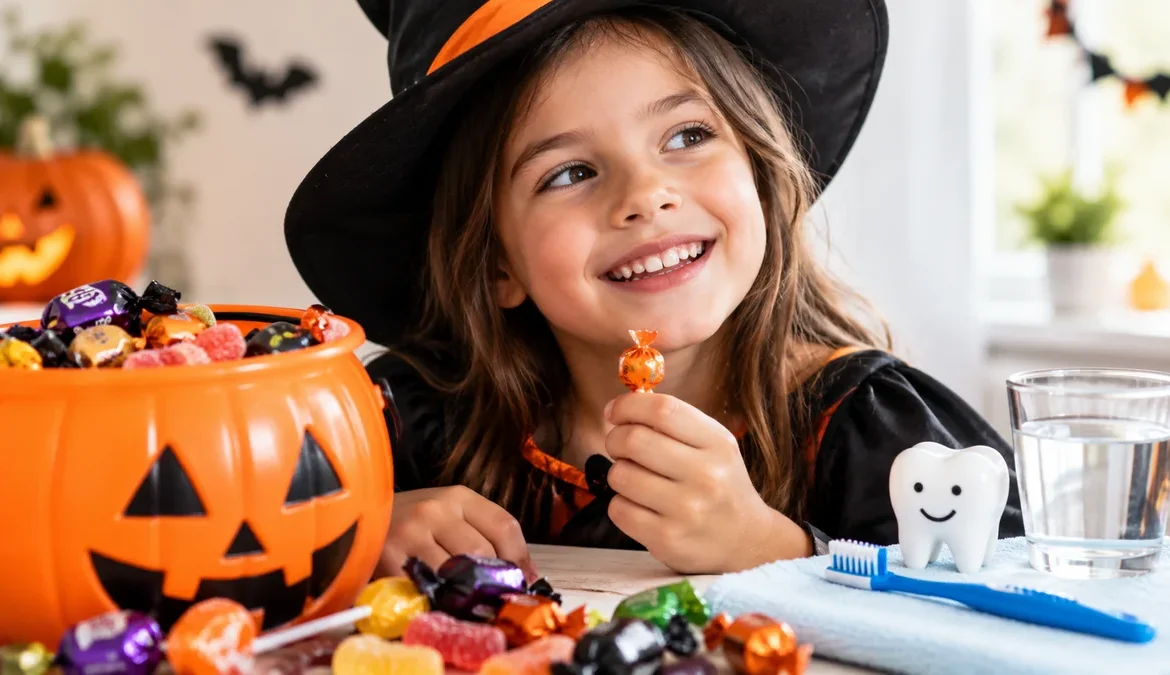
Halloween night usually ends with a bag full of candy on the kitchen table and a child who would like to eat all of it at once. Banning candy completely rarely works, and it can turn the holiday into an argument.
The good news is that the link between sweets and cavities in children has more to do with how they are eaten than with the fact that they are there at all. A few simple rules, plus checkups with children's dentistry, help protect their teeth without spoiling the evening.
Sweets and cavities in children: what really matters
After every sweet snack, the bacteria in dental plaque turn sugar into acids, which attack the enamel until saliva manages to neutralize them.
That is why both the amount and how often a child eats sweets matter. If they eat them all at one time, preferably after a meal, their teeth are exposed to sugar less often than when they “graze” on them all day long, and every extra exposure gives bacteria another chance to produce acids.
Baby teeth have thinner enamel than permanent teeth, so a cavity can progress faster in them.
Which sweets are harder on teeth
- caramels, gummies, and sticky candy get stuck in the grooves of the molars and between the teeth;
- lollipops and candies that are sucked for a long time prolong the acid attack;
- sour candies contain acids on top of sugar, and these acids can weaken tooth enamel;
- chocolate generally comes off the teeth more easily, but it is still a sugary treat.
Hard candies can chip a tooth and, especially for young children, they are a choking hazard. For children under 4, avoid hard, gummy or sticky candies, choose age-appropriate snacks and supervise your child while they eat.
A simple plan for Halloween night and the days after
- candy is eaten at a set time, preferably right after a meal;
- your child picks a few favorites, and the rest is saved for the following days, a little at a time, after meals;
- after candy, a glass of water helps rinse away sugar residue;
- nothing sweet after the evening brushing, not even “just one candy” in bed.
👉 A single evening with more sweets than usual doesn't automatically lead to cavities. What matters more is that your routine gets back to normal over the following days.
Brushing after an evening of candy
Evening brushing remains essential, with a fluoride toothpaste in the right amount for your child's age: a rice-grain-sized smear up to age 3 and a pea-sized amount from age 3. Supervise and help with brushing until your child can do it correctly on their own: usually at least until around age 7–8, and often longer.
After sour candy, have your child rinse with water and wait about an hour before brushing: the acidity can temporarily soften the enamel surface, and brushing right away can wear it down.
Book a consultation at Dental CATTED
Young children and sweets
For very young children, sweets often end up in sippy cups, juices or bottles, and these habits encourage baby bottle tooth decay. For them, Halloween can be more about the costume and the fun than the bag of candy.
Protecting teeth in the long term
At the checkup, the dentist looks for white spots or risk areas and tells you how often your child should come back. For permanent molars with deep grooves, they may recommend fissure sealing, and in-office fluoride treatment can be an option when they consider it useful.
Frequently asked questions (FAQ)
Is it better to give my child all the candy at once or a little at a time, over several days?
For teeth, both the amount and how many times a day they are exposed to sugar matter. An age-appropriate portion, eaten in one go after a meal, is usually gentler on teeth than candy nibbled all day long. A practical strategy: keep the candy for a few days and set a single time each day for it.
Does sugar-free chewing gum help?
For older children who can chew gum without swallowing it, sugar-free gum can stimulate saliva after meals. It does not replace brushing and is not suitable for young children.
Are sugar-free sweets a better option?
For preventing cavities, they can be a better choice than sugary ones, but check the label. A “no added sugar” product may still contain sugars from fruit, sour candy can contain acids that affect enamel, and some sweeteners can cause digestive discomfort in large amounts.
What should I do if I notice a spot on my child's tooth after the holidays?
Chalky white or brown spots can be early signs of a cavity, but not every spot means a cavity. Book a checkup: the dentist will tell you what it is and whether treatment is needed or just prevention and monitoring.
A sweet evening, with habits that protect
Candy and cavities in children don't have to go hand in hand. A set time for treats, water afterward, and brushing before bed help Halloween stay a happy memory, not a rushed trip to the dentist.
Book a checkup for your child and find out how you can protect their teeth after the holidays.
📞 Call +40 733 22 88 28
📩 Or fill out the contact form in the sidebar and we'll call you back as soon as possible.
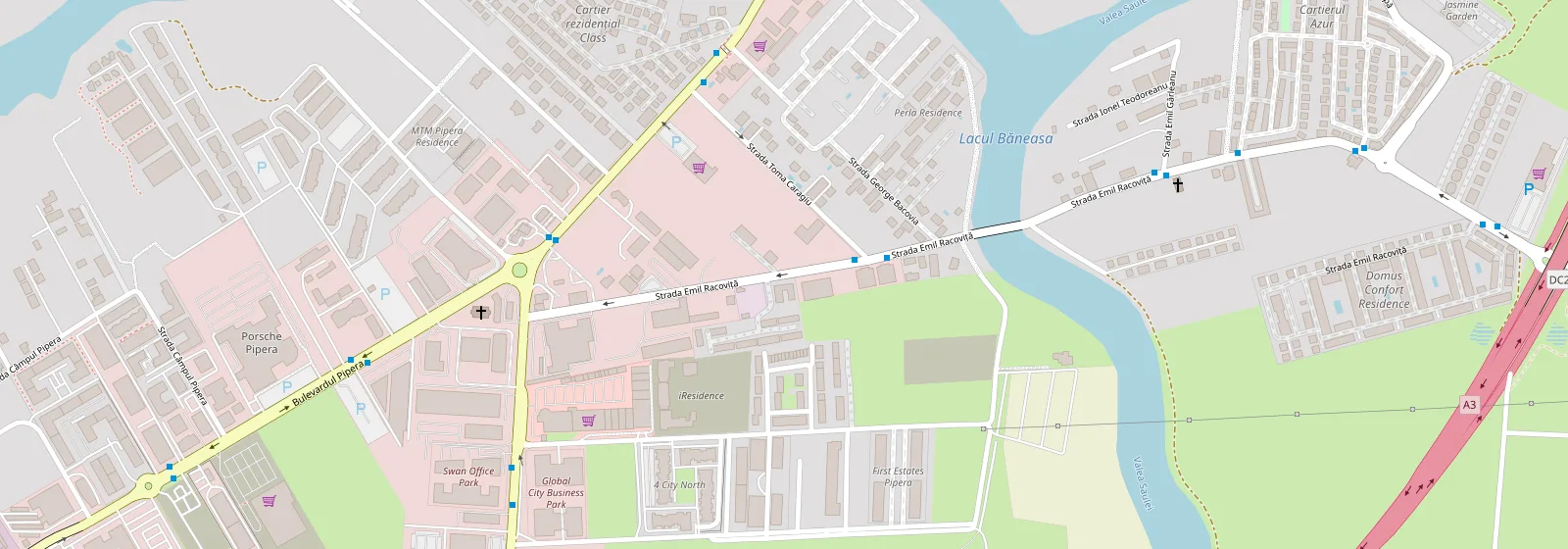
📍 Pipera, Str. Emil Racoviță 26
Dental CATTED Dental Clinic – Pipera