
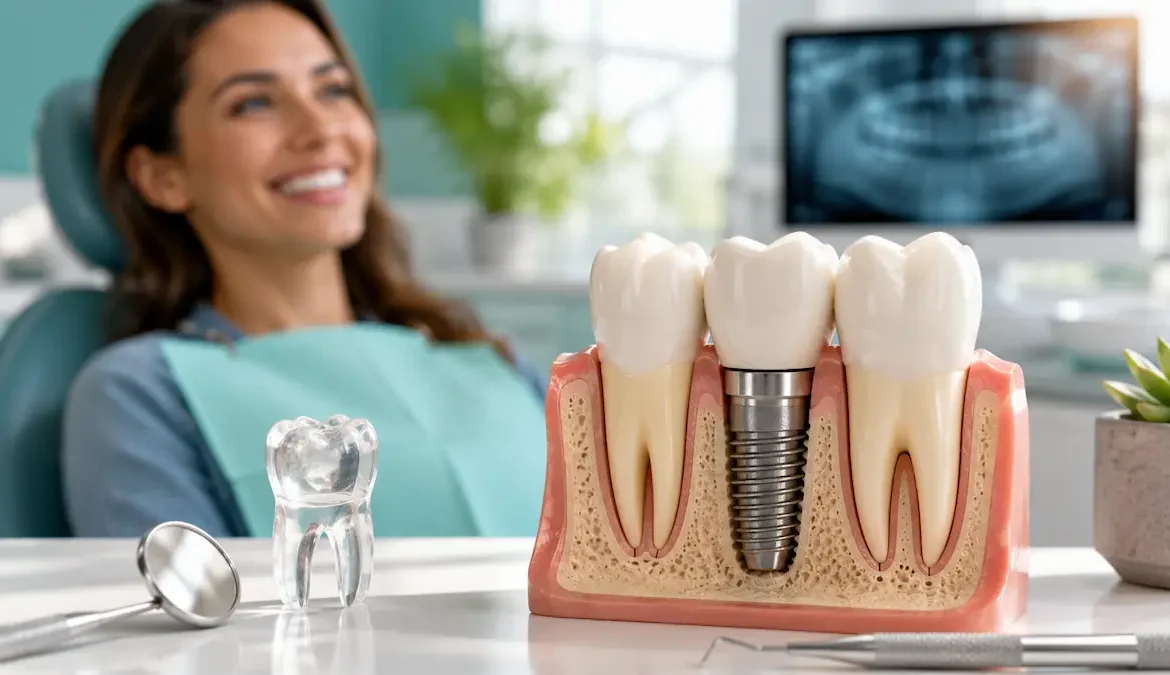
Have you decided to have a dental implant and are wondering how long it will be before you can use the tooth normally again? It is one of the most natural questions – healing after a dental implant does not end when you leave the dental office; it is a process that unfolds in stages over several months.
This article explains exactly what happens at each stage of healing, from the first hours after the procedure to the fitting of the final crown.
What happens immediately after the procedure
Healing after a dental implant starts in the treatment room. The implant itself is placed under local anesthesia and, depending on the complexity of the case, the procedure takes between 20 and 60 minutes.
In the first days after the procedure, it is important to avoid smoking and alcohol and to follow your dentist's instructions. Both can affect healing, and smoking is associated with a higher risk of complications and implant failure. You may have mild discomfort, sensitivity or slight swelling, which can be managed with the painkillers recommended by your dentist. These reactions are normal and usually settle within a few days.
The osseointegration period – the most important stage
An essential stage of healing takes place below the gum line, where the bone gradually integrates with the surface of the implant – a process called osseointegration. This stage takes, on average, 3-6 months, depending on the area treated, bone density and how your body responds.
👉 Osseointegration is not a stage you can rush. Even if the initial discomfort goes away quickly, the bone needs time to consolidate around the implant – long-term stability depends on this consolidation.
The type and design of the implant used can also influence primary stability and how predictable this stage is. The right premium implant system, such as ZimVie, is chosen according to the specifics of your case and your dentist's recommendation.
From the healing abutment to the final crown
After the osseointegration period comes the stage of preparing the gum for the final restoration. Depending on the protocol chosen, the dentist may fit or adjust a healing abutment, which shapes the gum around the future crown. It may stay in place for a few weeks, until the gum tissue takes on the right shape – usually around 3-4 weeks.
Once the gum has taken on the right shape, a digital impression is taken and the final crown is made, customized for the tooth. The whole process of replacing missing teeth – from the initial consultation to the final crown – usually takes 4-7 months in cases without additional procedures and with healing going well.
Factors that can affect how long healing takes
Not all healing happens at the same pace. A few factors can prolong it or, on the contrary, support a more efficient recovery:
- available bone density – if the bone has resorbed significantly, a bone augmentation procedure may be needed before the implant, which makes the treatment longer;
- smoking – reduces blood flow to the gums and can slow healing throughout the treatment, not just immediately after the procedure;
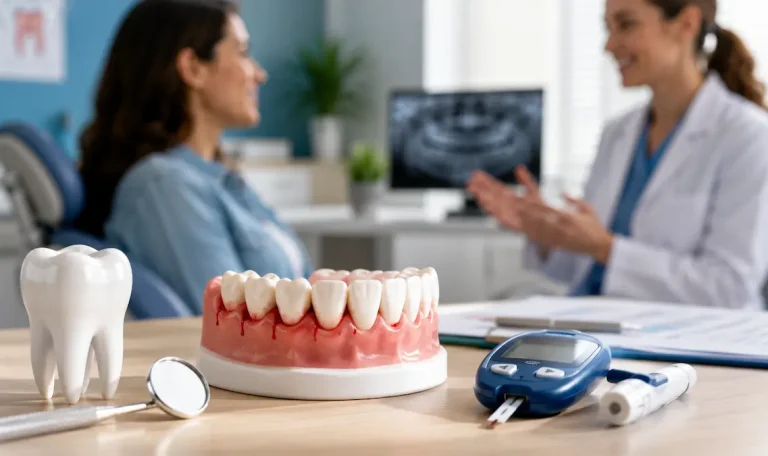
- uncontrolled diabetes – can affect how quickly you heal; when diabetes is well controlled, the risks can be closer to those of patients without the condition;
- oral hygiene – thorough hygiene throughout the treatment reduces the risk of complications that could delay healing.
Each of these factors is discussed in detail at the initial consultation, so that a realistic treatment plan can be put together.
How to support healing – practical advice
Although the biological pace of osseointegration cannot be artificially sped up, a few habits help healing go as well as possible and reduce the risk of complications:
- follow your dentist's dietary advice strictly in the first few days – avoid hot, hard or very spicy food;
- keep up careful oral hygiene, without rubbing the treated area directly in the first few days;
- attend all scheduled checkups, even if you feel no discomfort;
- avoid strenuous physical exercise for the first 48-72 hours.
These habits matter throughout the life of the implant, not just in the early period – you can read more about long-term implant care in our article on the subject.
Frequently asked questions (FAQ)
How long does complete healing after a dental implant take in total?
From surgery to the fitting of the final crown, the whole process takes, on average, between 4 and 7 months. The osseointegration period (3-6 months) is the longest stage, followed by the phase in which the gum is shaped by the healing abutment, which takes a few more weeks.
Is it normal to have pain after the implant is placed?
Mild to moderate discomfort is normal in the first few days after the procedure and can be managed according to your dentist's advice. If the pain is severe, gets worse after a period of improvement, lasts unusually long or comes with significant swelling, fever or other unusual symptoms, it is important to contact your dentist for an assessment.
Can I eat normally during the healing period?
In the first few days after the procedure, it is best to choose soft foods at a moderate temperature, so as not to put strain on the treated area. As healing progresses, you can gradually return to your usual diet, while still avoiding very hard or sticky foods until the treatment is fully completed.
Does smoking really affect implant healing?
Yes. Smoking reduces the oxygen supply to the tissues and can slow healing, while also increasing the risk of complications. That is why it is recommended that you avoid smoking after the procedure for as long as possible and follow your dentist's instructions strictly. Giving up smoking in the long term can contribute to a better prognosis for the implant.
What happens if osseointegration fails?
Although rare, it is possible for the implant not to integrate properly with the bone. In this situation, the dentist assesses the cause – often related to hygiene, smoking or insufficient bone density – and may recommend removing the implant, followed by a new attempt after a period of additional bone preparation.
Patience is part of the treatment
Healing after a dental implant is a gradual process that cannot be artificially accelerated, but it can be supported by proper care and by attending your scheduled checkups. Each stage – from the first days of recovery to osseointegration and the fitting of the final crown – plays a clear role in the long-term stability of the implant.
For a personalized treatment plan, the oral surgery team at Dental CATTED assesses your bone and general health to set out a realistic healing timeline, tailored to your case.
Book a consultation and find out what to expect during your healing process.
📞 Call +40 733 22 88 28
📩 Or fill out the contact form in the sidebar and we will call you back as soon as possible.
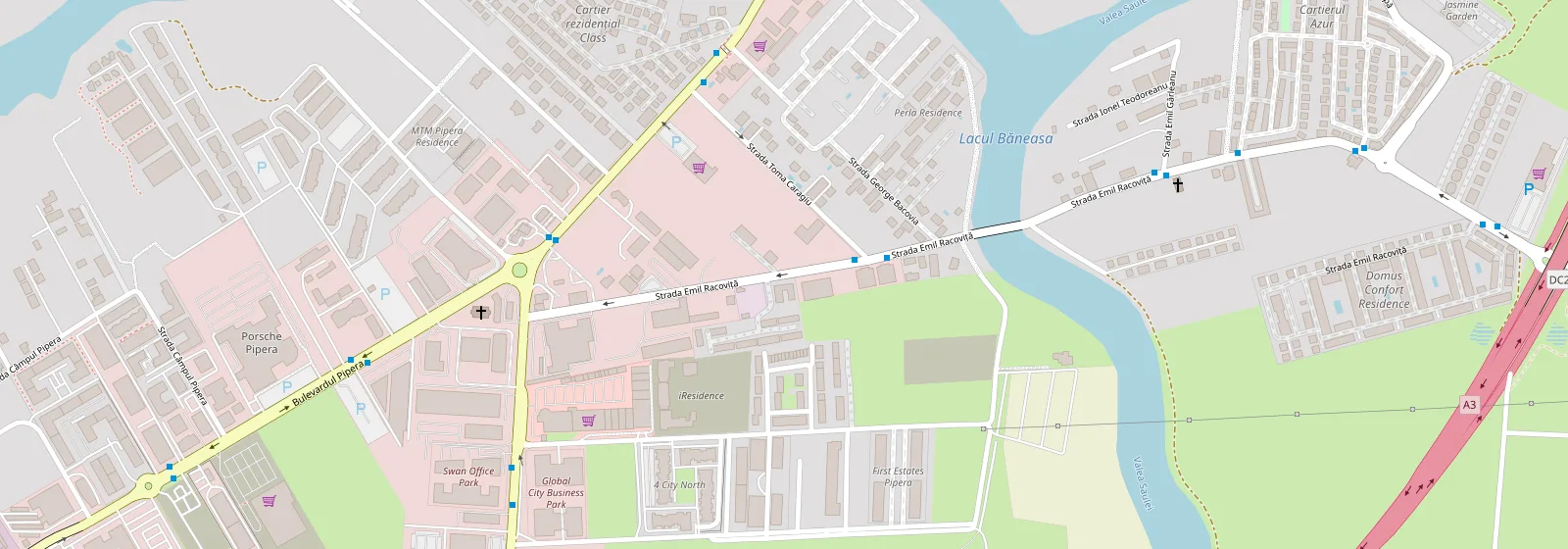
📍 Pipera, Str. Emil Racoviță 26
Dental CATTED Dental Clinic – Pipera