

Have you had All-on-4 implants, or are you preparing for the treatment and wondering what day-to-day care looks like? It is a natural question – the prosthesis works differently from natural teeth, and ordinary hygiene does not reach every area that matters.
The good news is that caring for All-on-4 implants correctly is not complicated, just different. This daily routine is one of the factors that can make the difference between a prosthesis that works for decades and one that needs early intervention.
Why All-on-4 care differs from caring for natural teeth
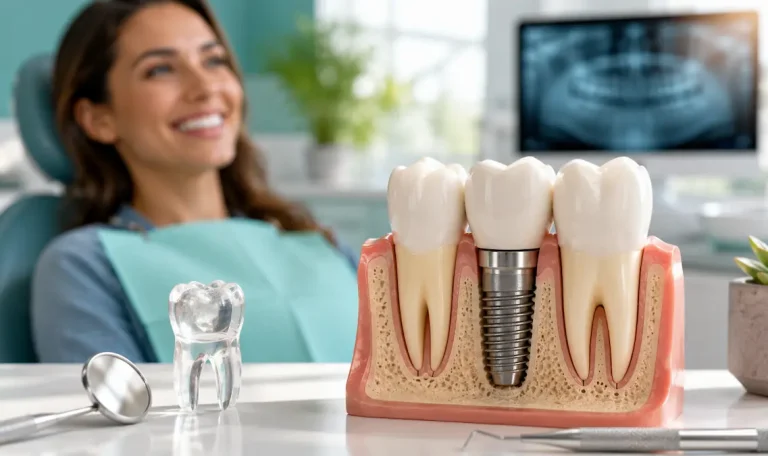
Unlike natural teeth, an All-on-4 prosthesis is a fixed denture supported by 4 implants, with a space between the gum and the prosthetic structure. This space lets air and saliva through, but it can also collect food debris or plaque if it is not cleaned properly.
Ordinary brushing has difficulty reaching this area. That is why caring for an All-on-4 prosthesis involves tools and a routine slightly different from those used for natural teeth.
Daily hygiene – the tools you need
A complete routine usually includes:
- a soft electric or manual toothbrush – for cleaning the visible surface of the prosthesis, twice a day;
- a water flosser – a very effective tool for the area under the prosthesis, which is otherwise hard to reach;
- interdental brushes or special implant floss – for cleaning the space between the prosthesis and the gum;
- an antibacterial mouthwash, recommended by the dentist, to reduce plaque.
👉 A water flosser does not replace brushing, it complements it. Results are better when both are used together, every day.
Regular professional checkups
Daily hygiene, however thorough, cannot fully replace a professional dental cleaning. With All-on-4dental implants, regular checkups have a dual role: they check the health of the gums, the stability of the implants and the bone level around them, and they confirm that the screws holding the prosthesis are correctly tightened.
These checkups usually take place every 4–6 months, but the exact frequency is set individually, depending on your oral hygiene and the overall condition of the prosthesis.
The risk of peri-implantitis – what you need to know
The most important long-term risk for any implant, including the All-on-4 system, is peri-implantitis – inflammation of the tissues around the implant, caused by untreated plaque buildup. It is the implant equivalent of gum disease around natural teeth.
Left untreated, peri-implantitis can affect the bone that supports the implants, putting the stability of the whole prosthesis at risk. In practice, this complication occurs most often in patients who stop attending regular checkups or cannot clean the area under the prosthesis effectively. Fortunately, when it is detected early, at a routine checkup, it can be managed effectively – one more reason why regular checkups matter more than they may seem at first.
Habits that can affect how long the prosthesis lasts
A few factors increase the risk of long-term complications:
- smoking – reduces blood flow to the gums and slows healing whenever there is inflammation;
- untreated bruxism – the repeated forces of teeth grinding can overload the fixing screws;
- very hard or sticky foods – can put excessive pressure on the prosthesis or get stuck in hard-to-reach areas.
If you have bruxism, talk to your dentist about a protective night guard – a simple solution that can prevent premature wear of the prosthesis.
Signs that need an urgent visit to the dentist
Contact the clinic if you notice:
- persistent bleeding of the gums around the implants;
- an unpleasant smell or taste that does not go away after cleaning;
- a feeling that the prosthesis has moved or is no longer as stable;
- pain or swelling in the implant area.
None of these signs automatically means a serious problem, but all of them deserve a prompt assessment, not one put off until your next scheduled checkup.
Frequently asked questions (FAQ)
How often should I go for checkups once I have an All-on-4 prosthesis?
Usually every 4–6 months, although the exact frequency depends on your oral hygiene and your dentist's recommendation. These checkups look at both the condition of the tissues around the implants and the correct fixing of the prosthesis.
What is peri-implantitis and how do I prevent it?
It is inflammation of the gums and, in advanced stages, of the bone around the implants, caused by untreated plaque. It is prevented by thorough daily hygiene with the right tools and by regular professional checkups that catch the problem early.
Can I use normal dental floss for All-on-4?
It is not the most effective option. The structure of an All-on-4 prosthesis makes ordinary floss difficult to use; a water flosser and special interdental brushes for implants reach the critical areas under the prosthesis much more effectively.
Which foods should I avoid with an All-on-4 prosthesis?
Very hard foods – ice, nuts cracked with your teeth, hard candy – and very sticky ones, such as toffee, can overload the prosthesis or get stuck in hard-to-reach areas. A balanced diet without these extremes helps keep the prosthesis in good condition long term.
What should I do if I feel the prosthesis has moved or become loose?
Contact the clinic as soon as possible, without waiting for your scheduled checkup. A feeling of instability may indicate a problem with the fixing screws, which needs checking and possibly a simple adjustment by the dentist.
A prosthesis that lasts depends on daily care
An All-on-4 prosthesis is an important investment in your health and comfort, and daily care is what protects its results in the long term. It does not take extraordinary effort, just consistency – the right tools, used every day, and professional checkups kept on time. You can read more about how the All-on-4 system works or about the tests you need before treatment, if you are just starting out.
Book a checkup and make sure your All-on-4 prosthesis stays in good condition.
📞 Call +40 733 22 88 28
📩 Or fill out the contact form in the sidebar and we will call you back as soon as possible.
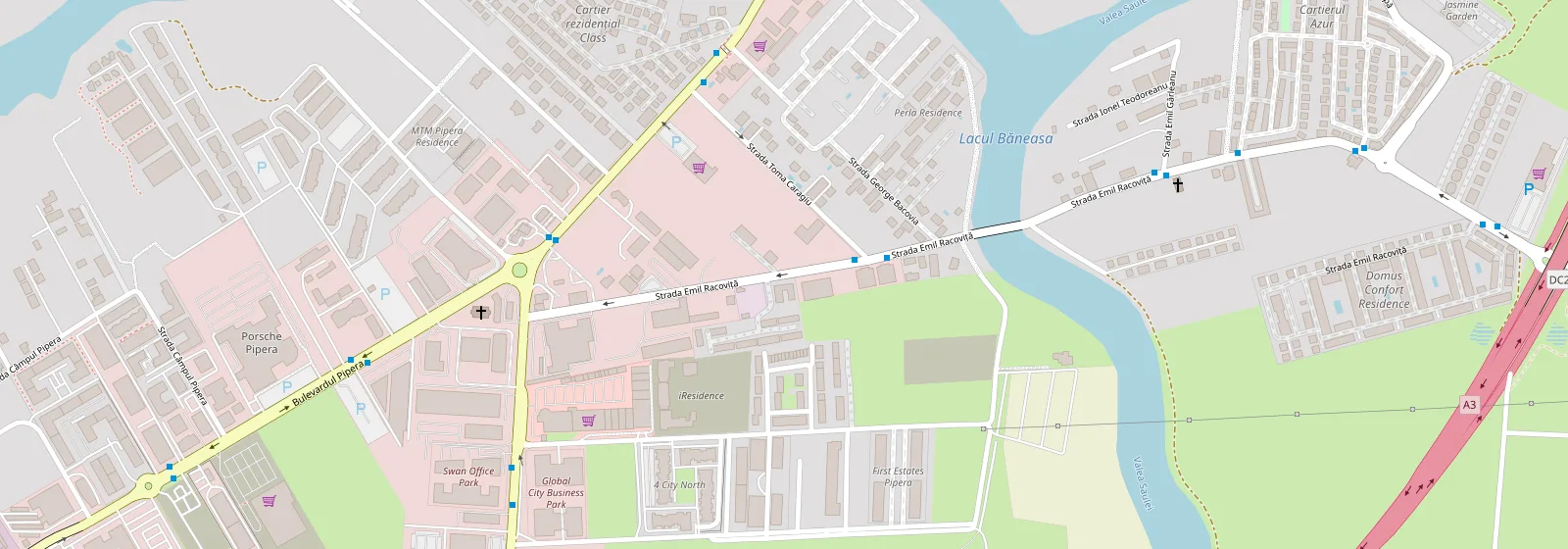
📍 Pipera, Str. Emil Racoviță 26
Dental CATTED Dental Clinic – Pipera