

When you think about dental health, you probably think about decay, gums or a nice smile. Few people think about their bite – the way the upper teeth meet the lower ones when you close your mouth. And yet a correct bite influences far more than most patients would imagine.
This article explains what a correct bite actually means, why it matters beyond appearance and what happens when this alignment is not as it should be.
What a correct bite actually means
A correct bite means that the upper and lower teeth meet harmoniously when you close your mouth – without excessive overlap, inappropriate gaps or uneven pressure on certain parts of the arch. The clinical term for the way the teeth meet is occlusion; in everyday language we usually just say “bite”.
There is no single “model” that applies to everyone – each person has a unique facial and dental structure. What matters is that chewing forces are distributed evenly, without overloading certain teeth or the jaw joint.
Why it matters more than appearance
Many patients associate an incorrect bite exclusively with how the teeth look. In reality, its functional role is just as important:
- distribution of chewing forces – a balanced bite prevents excessive wear on certain teeth, which would otherwise take a disproportionate share of the pressure;
- health of the temporomandibular joint – certain occlusion problems can coexist with muscle tension or joint symptoms, but the relationship between the bite and temporomandibular disorders is complex;
- clarity of speech – the position of the teeth influences how certain sounds are formed;
- chewing efficiency – a balanced bite can make chewing more comfortable and more efficient.
👉 Some occlusion problems can persist or contribute over time to uneven tooth wear and difficulty with cleaning.
What happens when the bite is not correct
The consequences range from minor discomfort to more serious functional problems, depending on the type and severity of the problem. If you are wondering whether your situation fits here, you can check the signs of an incorrect bite in a dedicated article, which also explains the most common types of incorrect bite seen in adults.
In the long term, an untreated bite problem can contribute to uneven enamel wear, difficulty cleaning crowded areas and, in some cases, persistent joint discomfort. Not every case develops in this way, but some of these problems can get worse over time.
How an incorrect bite is assessed and corrected
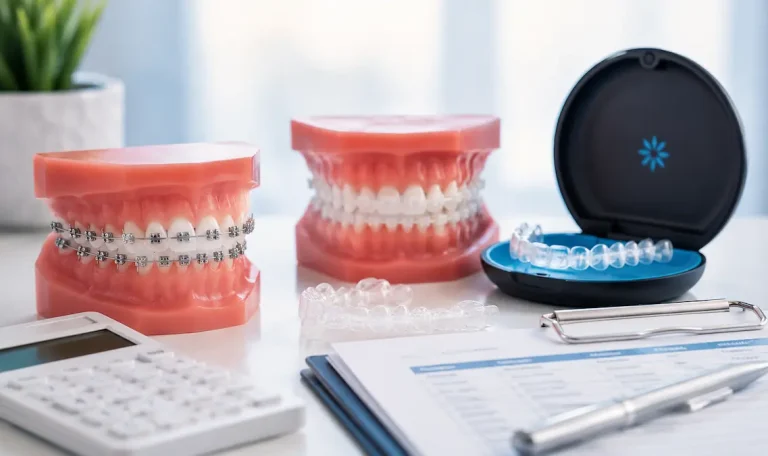
Assessment always starts with an orthodontic consultation, in which the dentist analyzes how the arches meet and identifies the areas of imbalance. Depending on the outcome of the assessment, there are several treatment options:
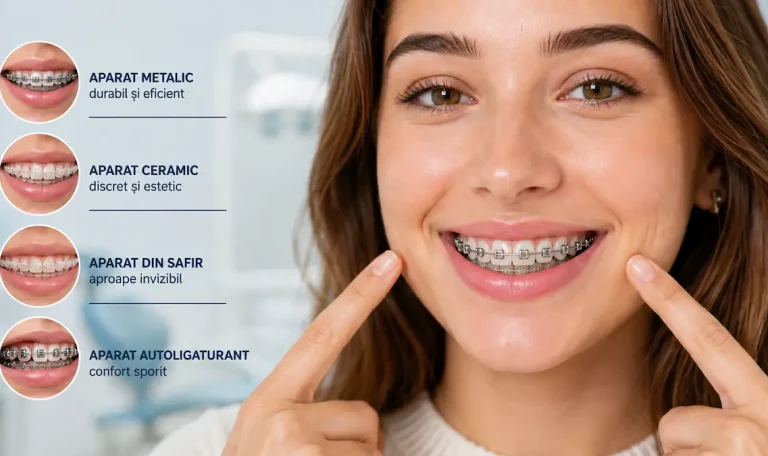
Fixed braces may be preferred in more complex cases, where precise control of tooth movement in several planes is needed. You can find out more about how fixed braces work in our dedicated article.
Clear aligners offer a discreet solution for mild or moderate cases, provided the wearing hours are strictly followed. You can see the details of the clear aligners available at Dental CATTED.
The choice between the two depends on the complexity of your case, not on aesthetic preference as such.
How much does bite correction cost?
The cost of treatment varies significantly depending on the type of appliance chosen and the complexity of the case – from metal fixed braces to clear aligner systems. You can see the full list of orthodontic prices on the clinic’s dedicated page.
An exact estimate for your case can only be given after the initial assessment, when the dentist determines exactly what kind of correction is needed.
Frequently asked questions (FAQ)
What exactly is an incorrect bite?
An incorrect bite occurs when the upper and lower teeth do not line up harmoniously when you close your mouth – through excessive overlap, inappropriate gaps or incorrect sideways positioning. There are several types, from open bite to crossbite or deep bite, each with its own characteristics.
Can an incorrect bite cause headaches?
It can contribute to muscle and joint tension which, in some patients, is associated with frequent headaches, especially around the temples. However, it does not replace a neurological assessment if the headaches persist – an orthodontic assessment can clarify whether the bite is a contributing factor.
Should I correct my bite even if I have no pain?
The absence of pain does not automatically mean there is no imbalance. Some bite problems remain symptom-free for years but gradually contribute to tooth wear or joint tension. An orthodontic assessment can give you clarity, whether or not you are currently experiencing discomfort.
How do I know if I have an incorrect bite?
A few signs deserve attention: uneven tooth wear, discomfort in the jaw joint, difficulty chewing or speaking, or visible crowding of the teeth. If you recognize any of these, an assessment by an orthodontist will quickly clarify the situation.
How long does it take to correct an incorrect bite?
The length varies considerably, from a few months for mild cases to 18–24 months for more complex situations. The initial assessment, with a clinical examination and, where indicated, X-rays and bite analysis, gives a realistic estimate tailored to your specific case.
A correct bite is an investment in your health, not just your appearance
A correct bite influences more than the look of your smile – it contributes to efficient chewing, a balanced distribution of forces on the teeth and good oral function. An orthodontic assessment can be useful even when there is no pain, especially if you notice changes in your bite, tooth wear or difficulty chewing.
If you want to find out whether your bite is balanced or needs correcting, a consultation at Dental CATTED gives you a clear assessment and a personalized plan tailored to your situation.
Book a consultation and find out how your bite is doing.
📞 Call +40 733 22 88 28
📩 Or fill out the contact form in the sidebar and we will call you back as soon as possible.
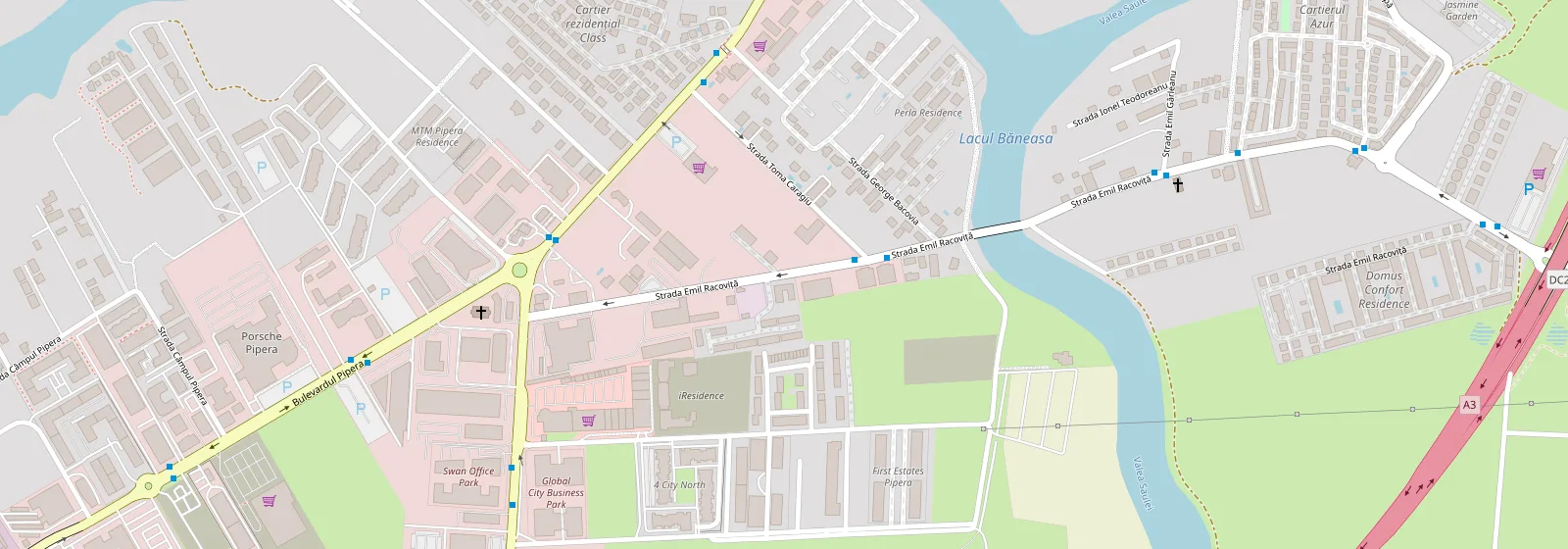
📍 Pipera, Str. Emil Racoviță 26
Dental CATTED Dental Clinic – Pipera