
When you lose a tooth, it is easy to put off treatment, especially if there is no pain. Many patients feel it is “not urgent”.
In reality, a missing tooth sets off a chain reaction throughout the mouth, which over time can lead to more complex problems and more difficult treatment.
In this article we explain clearly the main consequences of a missing tooth, what happens if you do nothing and how you can prevent complications.
Why it matters to replace a missing tooth
A missing tooth affects the balance of the whole mouth. Teeth do not work individually but as a system.
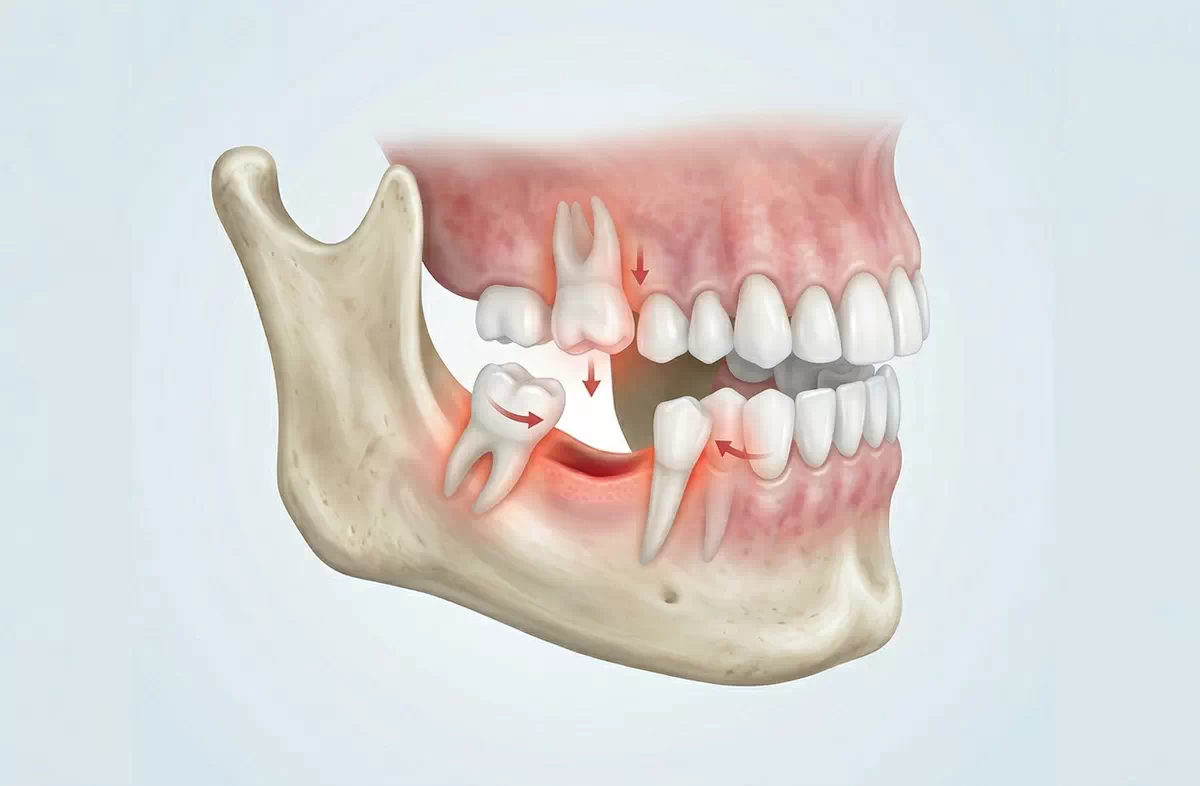
When a gap appears:
- the neighboring teeth start to drift
- the opposing tooth (the one in the other jaw) may “over-erupt”
- chewing forces are distributed incorrectly
👉 Over time, these changes lead to problems more complex than simply missing a tooth.
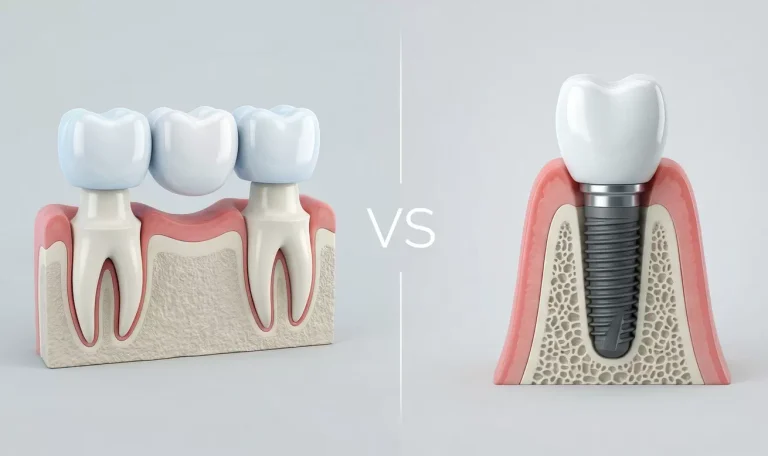
If you want to see the treatment options available, you can explore the modern solutions that exist when you have a missing tooth.
Missing tooth – consequences: what happens if you don’t act in time
The consequences do not always appear straight away, but they develop progressively.
1. Teeth drifting
The teeth start to move toward the empty space, which can lead to:
- crowding
- unsightly gaps
- difficulty cleaning
2. Bone loss
The bone that supported the root of the tooth starts to resorb.
👉 This is one of the most important consequences of missing teeth, because it can complicate later treatment.
3. Chewing problems
- chewing becomes inefficient
- certain teeth become overloaded
- discomfort or sensitivity may appear
4. Aesthetic changes
Over time, a missing tooth can affect:
- the harmony of your smile
- the position of your lips
- even your facial appearance (in extensive cases)
5. Higher risk of dental problems
Areas that are hard to clean encourage:
- tooth decay
- gum inflammation
- periodontitis
👉 In clinical practice, dentists frequently see these effects in patients who put off treatment for months or years.
These changes do not occur in isolation; they influence one another, leading to a cumulative effect that can affect both function and the overall health of the mouth.
👉 In short: a missing tooth does not stay an isolated problem; over time it affects the position of the teeth, the bone and the way the whole set of teeth works.
How quickly problems appear
The pace differs from patient to patient, but the progression usually follows a pattern:
- in the first few months: the teeth begin to drift and bone loss starts
- after 6–12 months: changes in the bite and chewing difficulties appear
- in the long term: complex problems can develop, including damage to several teeth
👉 The sooner you act, the simpler, more predictable and less invasive the treatment.
Your options for replacing a missing tooth
There are several solutions, and the choice depends on the clinical situation.
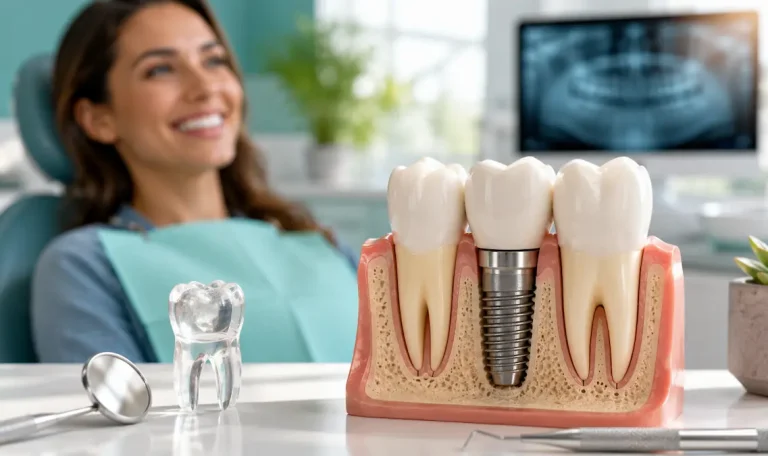
Dental implant
This is the modern solution that:
- replaces the root of the tooth
- prevents bone loss
- does not affect the neighboring teeth
In some cases, fast dental implant solutions can also be used, which significantly shorten the treatment time.
Premium dental implants
For predictable, long-lasting results, modern solutions such as the ZimVie system can be used, known for its stability and good integration.
👉 In many cases, modern treatments are minimally invasive and well tolerated, adapted to each patient’s comfort level.
The choice of treatment depends on the bone volume and the needs of each patient.
Costs and factors that influence treatment
Many patients put off treatment because of the cost, but it is important to understand the full picture. We have explained separately how much a dental implant costs and what the price includes.
In the early stages:
- treatment is simpler
- costs are lower
Over time, if complications arise:
- bone grafting may be needed
- treatment becomes more complex
For an indicative estimate of the costs, you can check the dental implant prices page.
👉 The final cost is always set after a personalized treatment plan, according to the specifics of each case.
How you can prevent complications
The simplest approach is to act in time.
Recommendations:
- don’t put off an assessment after losing a tooth
- maintain good oral hygiene
- go for regular checkups
👉 Prevention significantly reduces the risk of complications and complex treatment.
Frequently asked questions (FAQ)
What happens if I don’t replace a missing tooth?
Over time, a missing tooth leads to the neighboring teeth shifting, bone resorption and changes in the bite. These changes are not only aesthetic; they can affect chewing and oral hygiene. Left untreated, they can lead to more complex problems that require more extensive treatment.
Do I have to replace a missing tooth?
It is not mandatory straight away, but it is medically advisable. Even if there is no pain, the changes begin soon after the tooth is lost. The longer treatment is put off, the higher the risk of complications and the more complex the later procedure.
How soon should a missing tooth be replaced?
Preferably within the first few months after the extraction, while the bone is still stable and treatment is simpler. After this period, bone loss may occur, which may require additional procedures, such as bone grafting, before the dental implant is placed.
What is the right solution for a missing tooth?
A dental implant is often recommended because it replaces the root of the tooth and does not affect the neighboring teeth. However, the choice depends on each individual case, the bone volume and the general state of your oral health, and it is made after a consultation.
If it doesn’t hurt, is it still a problem?
Yes. The absence of pain does not mean there is no problem. Many of the consequences of a missing tooth develop gradually and can go unnoticed for a while. Over time, they can affect the dental structure and lead to more complex treatment.
Book a consultation
If you have a missing tooth and are not sure what to do, the most sensible step is a specialist assessment.
At Dental CATTED, our dentists look at each case individually and explain clearly:
- what happens if you put off treatment
- what options you have at the moment
- how you can avoid long-term complications
👉 A timely assessment can make the difference between simple and complex treatment.
👉 Book a consultation and find out exactly which solution is right for you.
📞 Call +40 733 22 88 28
📩 Or fill out the contact form in the sidebar and we will call you back as soon as possible.
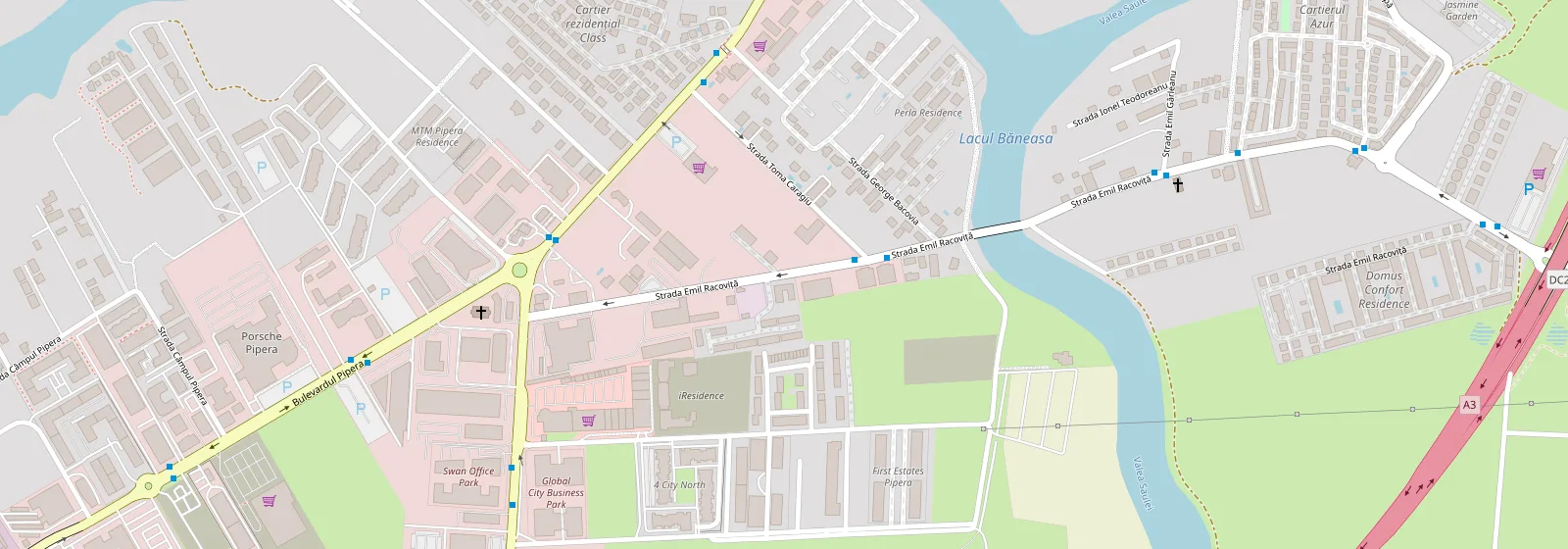
📍 Pipera, Str. Emil Racoviță 26
Dental CATTED Dental Clinic – Pipera